Why Does My Faucet Drip Even When Turned Off?
A dripping faucet wastes water and money every day. Here's why it happens, what it costs to fix in Eastaboga, and when to call a plumber.
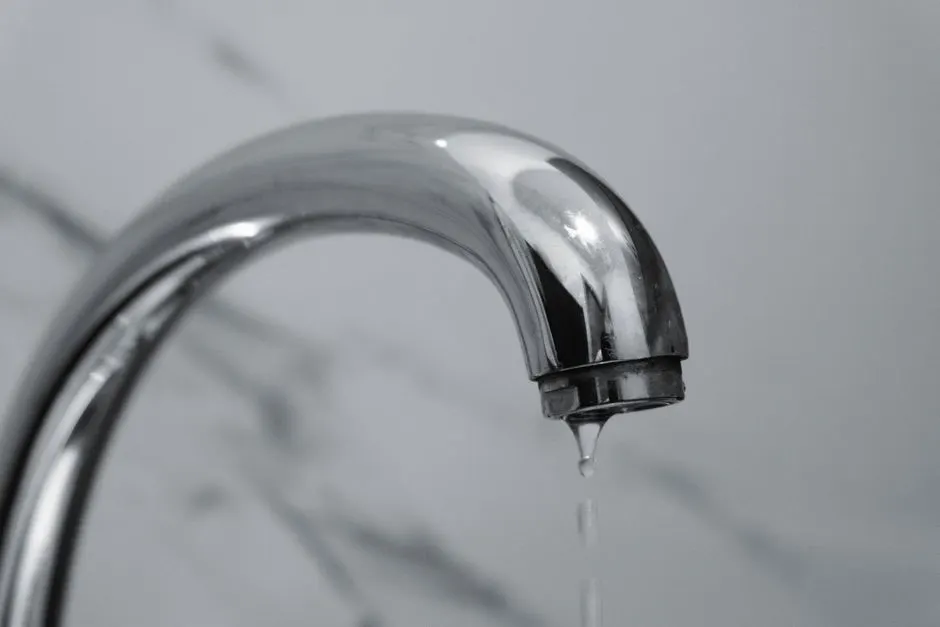
A faucet drips even when turned off because the internal sealing components - washers, O-rings, cartridges, or valve seats - have worn out and can no longer create a watertight seal against the incoming water pressure. The handle stops moving, but the water keeps finding a path through the damaged part. That's the whole answer. The rest of this post explains which part is failing in your case, what it costs to fix in Eastaboga in 2026, and when a drip is a sign of a bigger problem.
We're Mamas Plumbing Solutions, and we've pulled apart enough faucets in Calhoun County to know that a drip is almost never random. It follows a pattern. Once you understand the pattern, you can decide whether to grab a wrench or call us.
The Short Answer: Worn Internal Parts
Why does my faucet drip even when turned off is a question about water pressure versus rubber and plastic. Your home's water sits under constant pressure - usually 40 to 80 PSI in this area. When you close the handle, a rubber washer, a ceramic disc, or a cartridge presses against a seat and blocks that pressure. Every time you turn the handle, that seal rubs, flexes, and wears a little thinner.
After a few thousand cycles, the seal stops being a seal. Water squeezes past it one drop at a time. The handle feels fine because the handle isn't the part that holds water back - the internal seal is.
This is why a faucet can drip for months while everything looks and feels normal. The failure is inside the valve body, not at the handle.
The 5 Most Common Causes of a Dripping Faucet
Five parts cause nearly every dripping faucet we see in Eastaboga. Which one is yours depends on the faucet's design and age.
1. Worn Washers
Compression faucets - the old two-handle style - use a rubber washer at the bottom of the stem. That washer flattens and cracks over time. When it does, water slips past the valve seat and out the spout. This is the cheapest fix on the list, usually a $2 part.
2. Damaged O-Rings
O-rings sit around the stem and stop water from leaking around the handle instead of out the spout. If you see water pooling at the base of the handle, the O-ring is the culprit. Mineral buildup cuts into the rubber and breaks the seal.
3. Failed Cartridge
Single-handle faucets use a cartridge that mixes hot and cold. The cartridge has tiny inlet ports sealed by rubber or ceramic. When those seals degrade, water drips from the spout even with the handle fully closed. Cartridge replacement is the most common repair we do on modern kitchen faucets.
4. Pitted or Corroded Valve Seat
The valve seat is the surface the washer presses against. Sediment and hard water minerals chew pits into it. A new washer won't seal against a pitted seat - you have to resurface or replace the seat itself. This is where a lot of DIY repairs fail.
5. Corroded or Loose Valve Components
In faucets over 15 years old, the brass body itself can corrode. Threads strip. Nuts loosen. At that point, replacing parts is throwing money at a losing battle - the faucet needs to go.
If you're tired of chasing the problem, our faucet repair in Eastaboga, Alabama service handles all five causes in a single visit, usually in under an hour.
How Much Water Does a Dripping Faucet Waste?
A slow drip - one drop per second - wastes about 3,000 gallons of water per year. That's roughly 8 gallons a day. A steady stream the width of a pencil lead wastes closer to 20 gallons a day, or over 7,000 gallons a year.
In Eastaboga, where most homes draw from the Anniston Water Works system or a private well, that water isn't free. At typical 2026 rates in Calhoun County, a one-drop-per-second leak adds roughly $25 to $40 a year to a municipal water bill. On a well, you're paying for the electricity to pump it - and wearing out your pressure tank faster.
Here's the part most homeowners miss: a dripping faucet is often the first symptom of a failing pressure regulator or a water line issue. If your drip came with a sudden jump in your bill, it's worth having us check the whole system. Our water leak detection Eastaboga AL service finds hidden leaks before they rot cabinets and subfloors.
Why Eastaboga Water Makes This Worse
Water quality in and around Eastaboga accelerates faucet wear. Most homes here sit on either Anniston Water Works supply or private wells drilled into the local limestone. Both carry dissolved calcium and magnesium - hard water.
Hard water leaves scale on every surface it touches. Inside a faucet, that scale builds up on washers, O-rings, and valve seats. It makes rubber brittle and scratches ceramic discs. A faucet that might last 12 years on soft water often starts dripping at year 6 or 7 here.
We also see more sediment in well-fed homes. Sand and grit from the aquifer get past older pressure tanks and settle in faucet valves. That grit acts like sandpaper every time you turn the handle.
If you're in one of the older homes along the 77 corridor or out toward the lake, you're likely dealing with both problems at once. Neighbors in Lincoln plumbing services territory run into the same hard-water pattern - it's a Talladega County thing, not a fluke.
How to Stop a Dripping Faucet Yourself
You can fix a dripping faucet yourself if you're comfortable shutting off water and matching parts. Here's the sequence that works:
- Shut off the water. Close the supply valves under the sink. If they're seized or missing, shut off the main.
- Plug the drain. A dropped screw or spring down the drain turns a $15 repair into a $150 one.
- Identify the faucet type. Compression (two handles), ball, cartridge, or ceramic disc. The repair kit depends on this.
- Disassemble the handle and stem. Remove the decorative cap, screw, and handle. Then the retaining nut and stem or cartridge.
- Inspect every rubber and ceramic part. Look for cracks, flat spots, mineral crust, or pitting on the seat.
- Replace the worn parts. Match brand and model exactly - generic kits often don't seal.
- Reassemble and test. Turn the water back on slowly and watch for drips at the spout and around the handle base.
If the faucet is a modern single-handle model, you can often skip disassembly entirely. Our faucet replacement Eastaboga service swaps the whole unit in about 45 minutes, and a new faucet comes with new seals, a new cartridge, and a warranty.
Common Mistakes to Avoid
We get called to fix DIY faucet repairs several times a month. These are the mistakes that turn a small job into a bigger one:
- Over-tightening the packing nut. Cranking it down feels like it stops the drip, but it crushes the O-ring and strips threads. Snug is enough.
- Reusing old washers and O-rings. If you've got the faucet apart, replace every rubber part. They cost pennies.
- Ignoring a pitted valve seat. A new washer won't seal against a rough seat. Resurface or replace the seat, or the drip comes back in a week.
- Mixing brands. A Moen cartridge in a Delta body won't seal. Match the model number stamped on the faucet.
- Forcing a stuck handle. If the handle won't budge, the cartridge is seized. Forcing it snaps the stem. Stop and call us.
- Skipping the supply line inspection. Half the "faucet leaks" we see are actually failed supply lines under the cabinet. Check those while you're in there.
One more: don't ignore a drip because it's slow. Slow drips are how you end up with a rotted cabinet floor and a mold problem you can smell but can't see.
When to Call a Professional
Call a plumber when the faucet is more than 10 years old, when the valve body is corroded, when you've replaced the cartridge once and the drip returned, or when you can't shut off the supply valves under the sink. Those four situations mean the repair is bigger than a parts swap.
We also get called when a drip turns out to be something else entirely. Water at the base of a faucet can come from a failed supply line, a loose P-trap, or a crack in the sink itself. Our team diagnoses the actual source before we touch a wrench - no guessing, no parts cannon.
Mamas Plumbing Solutions handles faucet repair across Eastaboga and the surrounding Calhoun County area. We stock the common cartridges and washers on our trucks, so most repairs are done in one visit. If the faucet is past saving, we'll tell you straight and quote a replacement on the spot.
For homeowners who want the whole system checked while we're there, we also offer drain cleaning in Eastaboga, Alabama and full Plumbing in Eastaboga, Alabama services.
Frequently Asked Questions
Why does my faucet drip when turned off in Eastaboga Alabama?
Your faucet drips because an internal seal - a washer, O-ring, cartridge, or valve seat - has worn out and can't hold back water pressure. Hard water in the Eastaboga area accelerates this wear, so faucets here often start dripping 5 to 7 years after installation.
How do I stop a dripping faucet in Eastaboga AL?
Shut off the supply valves, disassemble the handle, and replace the worn washer, O-ring, or cartridge. Match the brand and model exactly. If the valve seat is pitted or the body is corroded, replacement is the better fix - usually a 45-minute job for a plumber.
Can a dripping faucet increase my water bill in Eastaboga?
Yes. A one-drop-per-second drip wastes about 3,000 gallons a year, adding roughly $25 to $40 to a typical 2026 Calhoun County water bill. A steady pencil-width stream wastes over 7,000 gallons and can add $80 or more annually.
When should I replace a dripping faucet in Eastaboga?
Replace it when the faucet is over 10 to 15 years old, the valve body is corroded, or you've already replaced the cartridge and the drip came back. At that point, a new faucet costs less over five years than repeated repairs on a worn-out unit.
How much does it cost to fix a dripping faucet in Eastaboga AL?
Typical 2026 pricing in Eastaboga runs $95 to $185 for a standard faucet repair, including parts and labor. Cartridge replacements on modern single-handle faucets usually land at the lower end. Full faucet replacement runs $185 to $350 depending on the fixture.
Get Help with Plumbing in Eastaboga
If your faucet has been dripping for more than a week, it's costing you money every day and pointing at a part that's only going to get worse. We can stop it in one visit.
Call Mamas Plumbing Solutions at (205) 708-6253 to schedule faucet repair in Eastaboga. We'll diagnose the drip, quote the fix upfront, and have your sink dry before we leave.