Focused arrival windows
Useful updates and clear arrival timing.
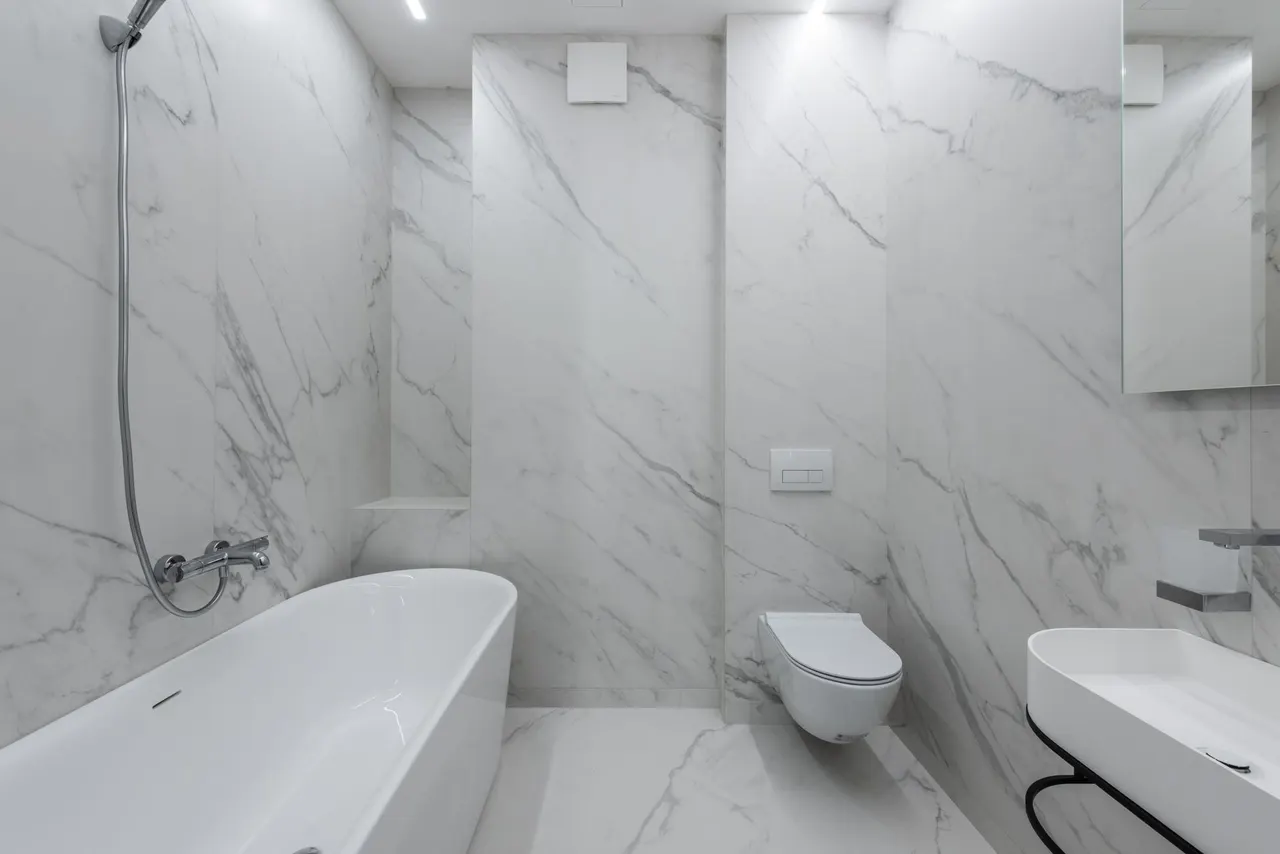
When your sewer backs up, you need sewer line repair in Eastaboga, Alabama handled by someone who has seen every kind of pipe failure this area throws at us. We run a sewer camera, find the break, and give you a straight answer before any digging starts. Whether it is root intrusion, a collapsed clay line, or a broken sewer pipe repair Eastaboga Alabama job, we get your drains moving again.
Useful updates and clear arrival timing.
Review the approach and price before deciding.
Equipped vehicles and respectful cleanup.
Neighbors serving neighbors with follow-through.
Every sewer line repair job is different, but here is what is included in a standard repair. If something falls outside this scope, we tell you before we start and quote it separately.
We push a RIDGID sewer camera through the cleanout and record the full run. You see the defect on screen. We note the depth, distance, pipe material, and cause. This is the foundation of every repair quote we give, and it is included in the job.
For open repairs, we dig to the line, shore the trench where required by OSHA Safety Compliance standards, and expose enough pipe to make a proper repair. We protect landscaping where we can and haul off the spoil. Trenchless jobs skip this step entirely.
We cut out the damaged section with a pipe cutter, couple in new PVC pipe or ABS pipe with proper fittings, and set the slope correctly. Threaded connections get Teflon tape. The repair meets Uniform Plumbing Code (UPC) standards and is warrantied.
If roots caused the problem, we cut them out with a drain snake or hydro jetter before repairing the pipe. Jetting scours the walls and restores full diameter. We camera again after to confirm the line is clean and the repair is sound.
Before we close the trench, we run water through the line and re-camera it. Then we backfill in lifts, compact, and restore the surface. You get a walkthrough of the repair and a heads-up on what to watch for in the coming weeks.
We remove the spoil, old pipe, and any debris from the job. The yard gets raked and the work area left as close to how we found it as possible. You are not left with a pile of dirt and a torn-up lawn to deal with after we leave.
Share what is happening and receive a clear next step from the local team.
Sewer line repair in Eastaboga, Alabama is the process of locating, opening up, and restoring the underground pipe that carries wastewater from your home to the municipal main or septic system. That pipe runs under your yard, sometimes under a driveway or slab, and it fails in predictable ways: tree roots squeeze through joints, older clay and cast iron crack, and ground movement shears fittings apart. We start with a sewer camera pushed through a cleanout so we can see the actual defect instead of guessing.
Most calls we get in Eastaboga start with the same story: a toilet gurgles when the washing machine drains, or water pools in the lowest floor drain. Others are full sewer line backups that need emergency sewer repair Eastaboga AL service at 2 a.m. If you have been searching for sewer line repair near me Eastaboga Alabama and watching a slow drain turn into a mess, the line is already telling you something is wrong.
You call (205) 708-6253 and describe what is happening: where it is backing up, how long it has been slow, whether it is one fixture or the whole house. We ask enough questions to know whether this is a main line problem or a branch drain, and we schedule a window that works for you. Emergency calls get priority.
We locate the cleanout, run a sewer camera down the line, and watch the footage in real time. You see the same screen we do. We note the depth, the pipe material, the distance to the defect, and whether the issue is roots, a break, a bellied section, or grease and scale. This takes 20 to 40 minutes on a typical Eastaboga home.
We walk you through what we found and lay out the options: spot repair, full section replacement, trenchless lining, or hydro jetting if the pipe is intact and just clogged. You get a price for each path. We do not start work until you pick one. Most homeowners know within five minutes which option makes sense.
For a spot repair, we dig to the defect, cut out the damaged section with a pipe cutter, and couple in new PVC pipe or ABS pipe with proper fittings and Teflon tape on threaded connections. Trenchless work uses existing access points. A typical spot repair runs two to four hours; a longer replacement can take a full day.
Before we close anything up, we run water through the line and re-camera it to confirm flow and no leaks. Then we backfill, compact, and restore the surface as close to original as we can. You get a walkthrough of what was done and what to watch for over the next few weeks. We leave the yard clean.
Pushed through the cleanout to inspect the full run. Records video and measures distance to the defect. This is how we diagnose before we dig, and you see the same footage we do.
Scours pipe walls at high pressure to remove grease, scale, and roots. Restores full diameter without chemicals. We use it before camera inspection on badly clogged lines and after repairs to confirm flow.
Cuts through roots and soft blockages in branch lines and main lines. Good for a quick clear when the pipe is intact. We follow with a camera to confirm the pipe condition before calling it done.
Cuts PVC pipe, ABS pipe, and copper pipe cleanly for section replacement. A square cut is essential for a proper coupling and a leak-free joint. We carry cutters sized for every pipe diameter we encounter.
Tests water pressure on supply lines and confirms flow after a repair. Also used during leak detection to identify hidden pressure loss. A gauge reading tells us more than a visual check ever will.
Locates hidden leaks in supply lines and slab leaks before we dig. Acoustic and pressure-based tools narrow the search area so we open less concrete and drywall. Saves you money on restoration.
A bursting head pulls new high-density polyethylene pipe through the old line, breaking the old pipe outward as it goes. This avoids a continuous trench and protects lawns, driveways, and landscaping. We use it when the existing line's path and condition allow. It is often the fastest path to a full replacement.
A resin-saturated liner is inserted into the existing pipe and cured in place, creating a new pipe within the old one. It seals cracks and joint gaps without excavation. Best for lines that are structurally sound enough to hold the liner. We camera before and after to confirm the result.
We dig directly to the defect, cut out the damaged section, and couple in new pipe. This is the most straightforward repair and often the most cost-effective for a single break. We shore the trench to OSHA Safety Compliance standards and backfill in compacted lifts.
High-pressure water scours the pipe walls, removing buildup that snaking leaves behind. We follow every jetting job with a camera pass to confirm the pipe is clean and structurally sound. If the camera shows a defect, we quote the repair while we are on site.
Every repair we make follows Uniform Plumbing Code (UPC) standards for pipe material, slope, fittings, and testing. This matters for permits, inspections, and resale. Code-correct work protects you long after we leave. We pull permits when the scope requires it.
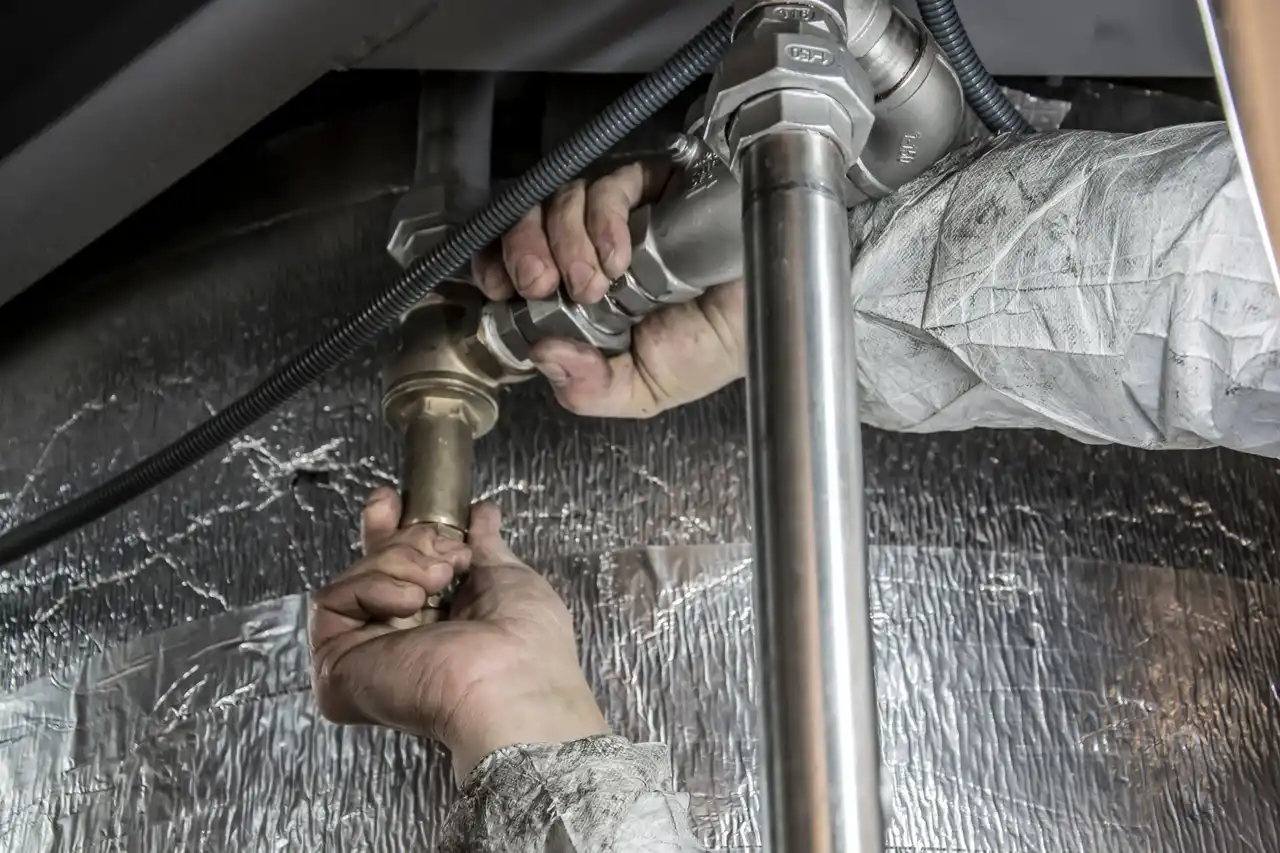
We run our own camera inspection, document the defect, and give you a written repair quote you can share with the buyer. If the repair is straightforward, we schedule it quickly to keep the closing on track. We handle the permit if one is required. You get a repaired, code-compliant line and documentation that satisfies the buyer's lender. The sale moves forward without a last-minute renegotiation over an unknown repair cost.
We locate the break with a sewer camera, dig to the damaged section, and replace it with new PVC pipe and proper couplings. If the break is under a driveway, we discuss trenchless options before we break concrete. We test the repair before backfilling. The wet spot dries up, your drains flow normally, and the new section is not vulnerable to the same freeze damage. You get a warrantied repair and a clean yard.
We respond quickly, camera the line, and send you photos of what we find so you can approve the repair without driving over. We coordinate access with the tenant and complete most repairs in one visit. You get a clear invoice and a tested line. The tenant stops calling, the smell is gone, and you have documentation for your records. No emergency after-hours rate if we can schedule it during the day.
We camera the line, find the separated joint, and repair it with a new section and flexible couplings that tolerate minor ground movement. If the whole run is compromised, we quote a full replacement. We prioritize these calls after major storms. The line is sealed and stable, and your drains work through the next storm. You avoid the sewage backup that would have happened the following week.
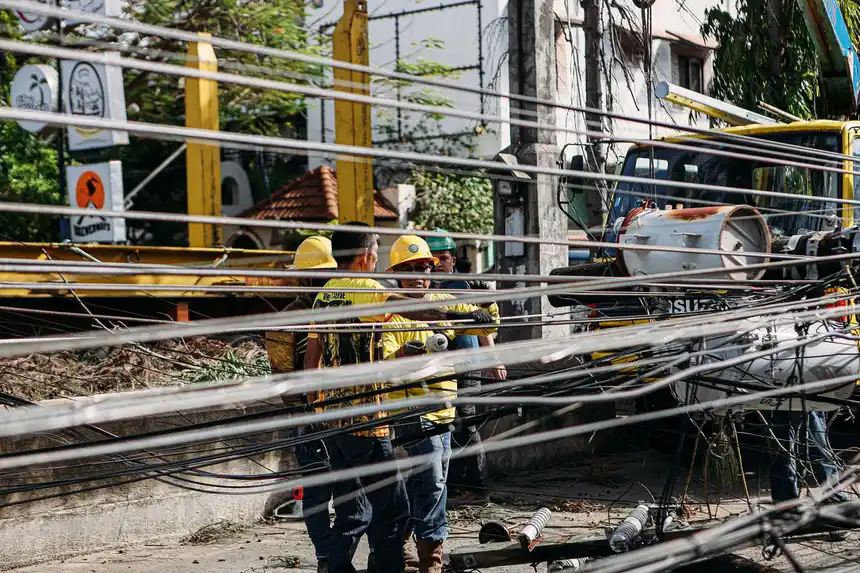
Eastaboga sits in a part of Alabama where the soil shifts with wet and dry cycles, and that movement is hard on underground pipe. Older homes in and around the community often have clay tile or cast iron sewer lines that have been in the ground for decades. Those materials crack, offset at the joints, and invite roots. Newer construction typically uses PVC pipe, which holds up better but still fails at poorly bedded joints or where a driveway was poured over a shallow line. Winter freezes are not as deep here as they are farther north, but we still see freeze cracks in lines that are shallow or exposed. Summer droughts dry the soil and cause it to pull away from the pipe, then heavy fall and winter rains saturate it and shift it back. That cycle is why we camera every line before we quote a repair. If you need fix sewer line Eastaboga work and you are not sure whether the problem is roots, a break, or just a clog, the camera answers it in under an hour. We also handle emergency sewer repair Eastaboga AL calls after heavy storms, when saturated ground exposes weaknesses in lines that were already compromised.
A mix of older homes and newer builds. The older properties often have original clay tile lines that need camera inspection before any repair. Soil here drains poorly after heavy rain.
Newer subdivisions with PVC pipe, but some lines were bedded shallow and are vulnerable to ground movement. Driveway crossings are common, which makes trenchless options worth discussing.
Longer sewer runs to the main or septic systems mean more pipe to inspect and more potential for root intrusion. We camera the full run, not just the first 30 feet.
Cast iron and Orangeburg pipe are common. These materials fail differently than PVC and often need section replacement rather than spot repair. We carry the right couplings for both.
This movement shears pipe joints and causes offsets over time. It is the leading cause of sewer line failure we see in Eastaboga. Flexible couplings and proper bedding help the repair tolerate future movement.
Oak, pine, and maple roots seek the moisture at pipe joints. Roots enter through hairline gaps and expand. We cut them out during repair and recommend periodic camera checks to catch regrowth early.
Saturated soil increases pressure on buried pipe and can expose pre-existing cracks. After major storms, we see a spike in emergency sewer repair calls. We prioritize these and respond quickly.
These materials are past their service life in many Eastaboga homes. They crack, collapse, and root easily. A camera inspection tells us whether a spot repair will hold or whether replacement is the better long-term call.
A homeowner in Eastaboga had sewage backing up into the laundry room every time the washing machine drained. The line had not been camera-inspected in years. A previous company had snaked it twice with no lasting result. The backup returned within a week both times.
We ran a camera and found a dense root mass at 38 feet with a cracked clay tile section behind it. We jetted the roots out, cut out the cracked section, and replaced it with new PVC pipe and flexible couplings. Flow test passed. The homeowner has had no backups in the months since.
Maintenance: We recommended a camera check every 18 to 24 months and a root treatment in the spring. Keeping the line clean prevents the roots from re-establishing before they cause another blockage.
A property near Highway 78 had a cast iron sewer line that had collapsed under the front walkway. The homeowner did not want the walkway torn out. Two other companies quoted full excavation and concrete replacement. The line was backing up into the basement.
We assessed the line with a camera and confirmed the path was suitable for pipe bursting. We pulled new HDPE pipe through the old cast iron, leaving the walkway intact. The job finished in one day. The basement has stayed dry and the drains flow normally.
Maintenance: Trenchless replacements do not need root treatment, but we recommended a camera check at the five-year mark to confirm the new pipe is seated properly. No other maintenance is required.
After a week of heavy rain, a homeowner in rural Eastaboga noticed a wet, smelly patch in the yard and slow drains throughout the house. The ground had shifted and separated a joint in the clay tile line. The homeowner was on a septic system with a long run to the tank.
We camera-inspected the full run, found the separated joint about 60 feet out, and dug to it. We replaced the failed section with new PVC pipe and proper couplings, then tested the line with water before backfilling. The wet patch dried up and the drains returned to normal.
Maintenance: We suggested a camera check after the next rainy season to confirm the repair held through another wet cycle. The new section is not vulnerable to the same joint separation.
These are the calls we run most often. If any of these sound familiar, the line is already telling you something is wrong. We find it, fix it, and test it before we leave.
Raw sewage in the house is a health hazard and damages flooring, drywall, and belongings. It also means the main line is fully blocked or collapsed, and it will not clear on its own. We camera the line to find the blockage, jet or cut out roots if that is the cause, and repair any collapsed section. Most backups clear the same day. If the pipe is broken, we quote the repair and get you back to normal water use fast.
When every drain is slow, the problem is in the main line, not the individual fixtures. Ignoring it leads to a full backup, and by then you may have sewage standing in the basement or crawlspace. We run a sewer camera to find the restriction, whether it is roots, scale, or a bellied pipe. Hydro jetting clears most blockages. If the camera shows a break or offset, we quote the repair and explain the options, including trenchless sewer repair Eastaboga where it applies.
That smell means wastewater is escaping the pipe before it reaches the main. It can contaminate groundwater and attract pests. In a crawlspace, it also means the moisture is feeding mold and rot in the structure above. We locate the leak with a camera and pressure testing, expose the failed section, and repair it with new pipe and fittings. If the leak is under a slab, we discuss trenchless options to avoid breaking concrete. The odor goes away once the line is sealed.
If you are snaking the same drain every few months, the pipe has a defect that snaking cannot fix. Roots regrow, scale builds back, and a bellied section traps debris no matter how many times you clear it. We camera the line to see what is actually happening at that spot. If it is roots, we cut them and assess the pipe condition. If the pipe is cracked or offset, we repair or replace that section. You stop paying for the same call over and over.
$1,200 - $12,000 depending on scope
Sewer line repair pricing in Eastaboga depends on depth, pipe material, length of the damaged section, and whether the line runs under a driveway, slab, or landscaping. Typical 2026 pricing for a spot repair runs $1,200 to $4,500. Trenchless lining or pipe bursting for a full run runs $6,000 to $12,000. Camera inspection alone is $250 to $450, and we credit that toward the repair if you hire us. You get the number before we dig, and we explain what is driving it.
The price reflects a camera-verified diagnosis, a code-correct repair, and a tested line before we leave. You are not paying for guesswork or a patch that fails in six months. We quote the real job and stand behind the work.
A line three feet down is a straightforward dig. A line eight feet down requires shoring, more labor, and more time. Depth is the single biggest driver of cost on an open repair. We measure it during the camera inspection and quote accordingly.
PVC pipe is easy to cut and couple. Clay tile and cast iron are heavier, more brittle, and often require more extensive replacement once opened. If the surrounding pipe is also failing, a spot repair may not hold, and we tell you that upfront.
A repair under a lawn is simpler than one under a concrete driveway or a finished slab. Concrete cutting and restoration add cost. Trenchless methods can avoid that expense when the line qualifies, which is why we assess trenchless first on driveway crossings.
A single cracked joint is a small repair. A collapsed run of 20 feet or more needs more pipe, more couplings, and more labor. We measure the defect on camera and quote the actual length, not a flat rate that may not fit your job.
Some repairs require a permit and inspection under Uniform Plumbing Code (UPC) rules. We pull the permit when needed and include the cost in the quote. This protects you at resale and ensures the work is code-compliant. We handle the inspection scheduling.
A scheduled repair during business hours costs less than a 2 a.m. emergency call. We run 24/7 sewer repair Eastaboga AL service, and we tell you the after-hours rate before we dispatch. If the repair can safely wait until morning, we say so.
Our downstairs toilet started gurgling every time the washer drained, and then it backed up completely. Mamas Plumbing came out the same afternoon, ran a camera, and found a root mass about 30 feet out. They jetted it and showed me the footage after. It has been three months and no issues. Fair price, no upsell.
We had a collapsed clay line under the front yard. They quoted a spot repair and a full replacement, explained both, and did not push the bigger job. We went with the spot repair and it has held through two heavy rains. They backfilled and you can barely tell they dug. Good crew.
I manage several rentals and have used Mamas Plumbing for sewer issues at two of them. Both times they answered on a weekend, showed up when they said, and sent photos of the camera screen so I could approve the repair without driving over. That saves me a trip every time. They are my first call now.
Most spot repairs in Eastaboga run $1,200 to $4,500 in 2026, depending on depth, pipe material, and whether the line runs under a driveway or slab. Trenchless lining typically runs $6,000 to $12,000 for a full run. Camera inspection alone is usually $250 to $450, and we credit that toward the repair if you hire us. You get the number before we dig.
The clearest signs are multiple slow drains at once, sewage odor in the yard or basement, gurgling toilets after you run the washing machine, and wet patches or unusually green grass strips above the line. A sewer line backup that returns within days of snaking is another strong signal. If you see any of these, stop running water and call for a camera inspection.
Yes, and it is the single most common cause we find here. Eastaboga has mature oaks, pines, and maples whose roots seek moisture at pipe joints. Roots enter through hairline cracks and small gaps, then expand until the line blocks or collapses. We cut roots with a drain snake or hydro jetter for a temporary fix, but a root intrusion that has cracked the pipe needs a structural repair.
A spot repair on an accessible line takes two to four hours. A section replacement under a driveway or deeper than six feet can take a full day. Trenchless lining is usually a one-day job once the line is prepped and cleaned. We give you a time window when we quote the work, and we call if anything changes. Most customers are back to normal water use the same day.
Not seeing your question? Our local team can help you understand urgency, scheduling and what to expect.
Ask the local team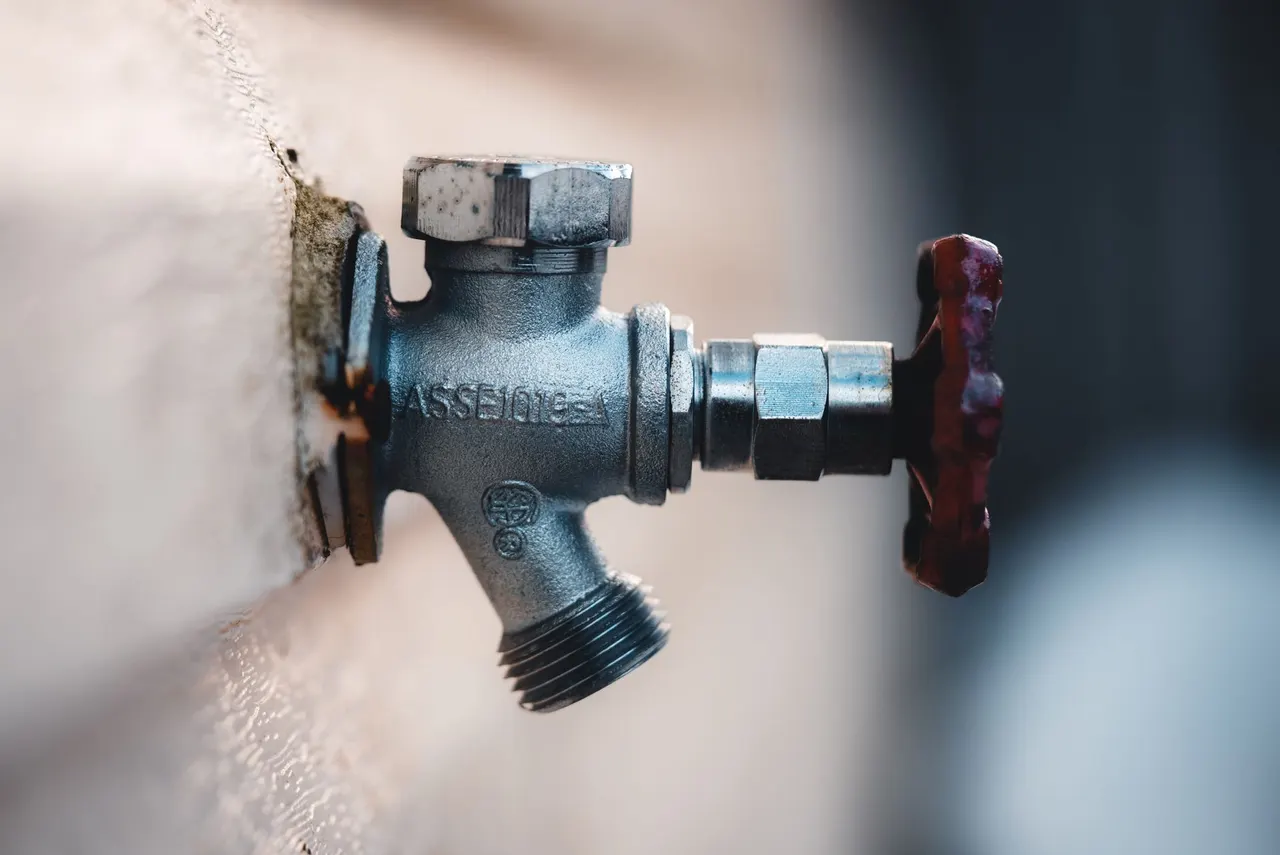
A slow drain is often the first warning before a full sewer line failure. We clear the branch line with a drain snake or hydro jetter and camera the main while we are there, so you know whether you are looking at a simple clog or the start of a bigger repair.
View service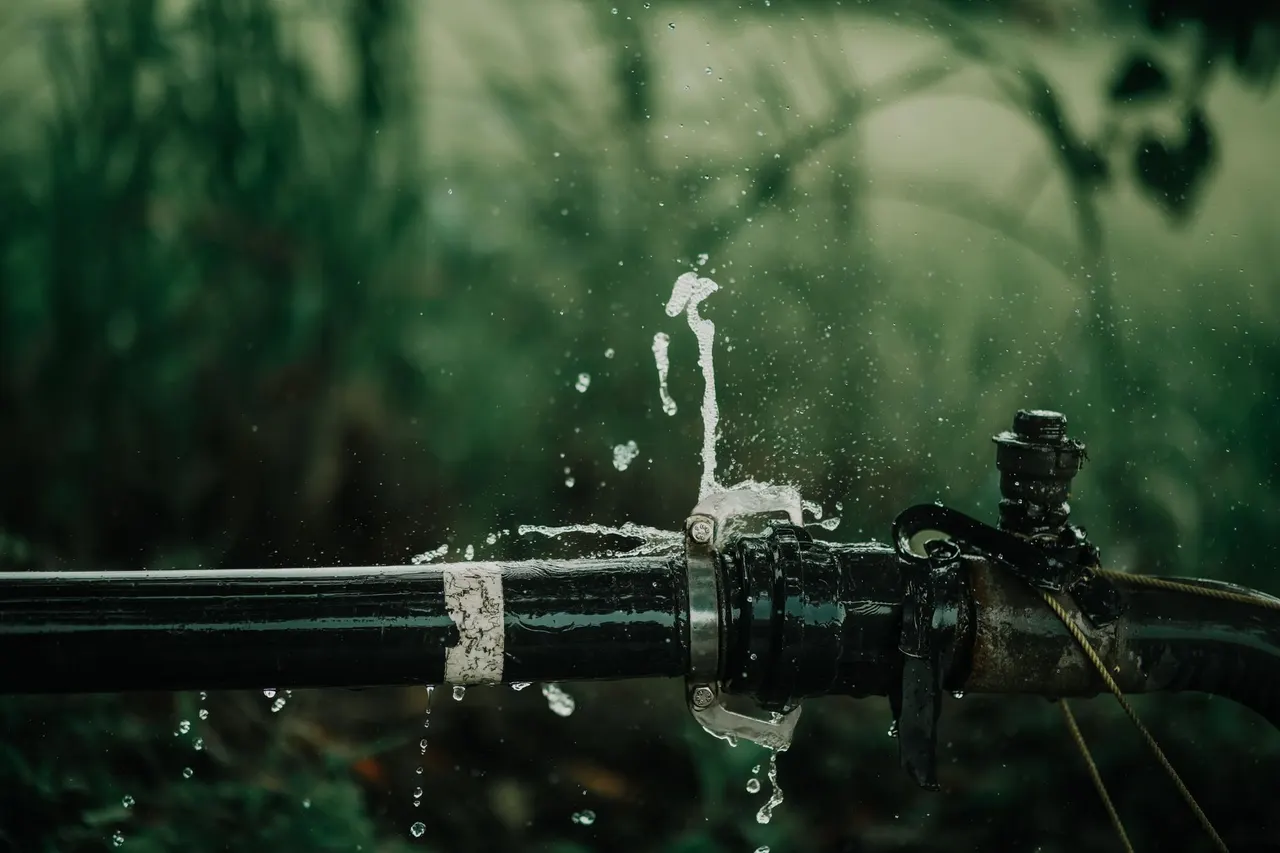
Dripping faucets waste water and can signal pressure problems that stress your whole system. We replace faucet cartridges and worn washers on Moen, Delta, and Kohler fixtures. If low water pressure is coming from a supply issue rather than the fixture, we trace it back to the source.
View service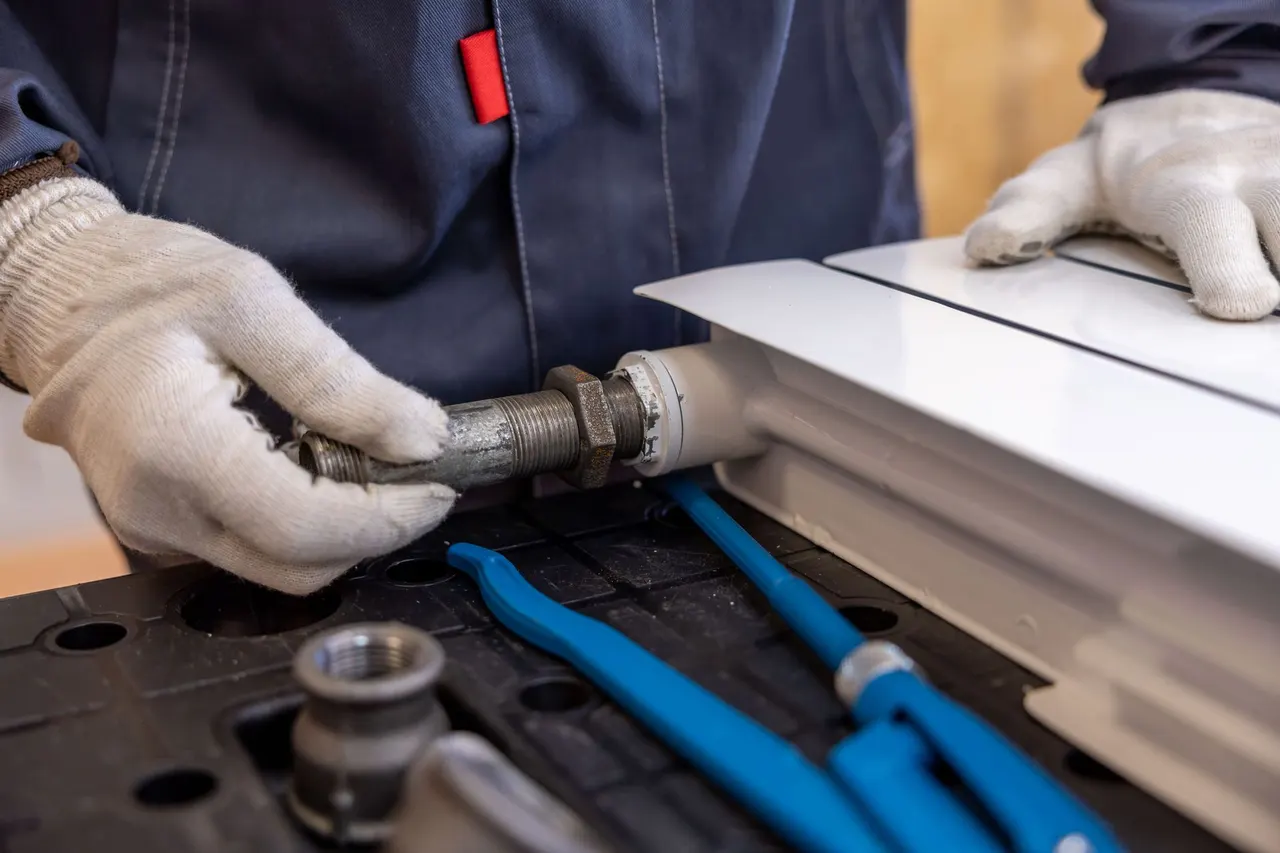
New faucet installs go faster when the supply lines and shutoff valves are in good shape. We check those while we are under the sink, replace corroded fittings, and apply Teflon tape on threaded connections. If your old fixture was leaking into the cabinet, we catch the damage before it spreads.
View service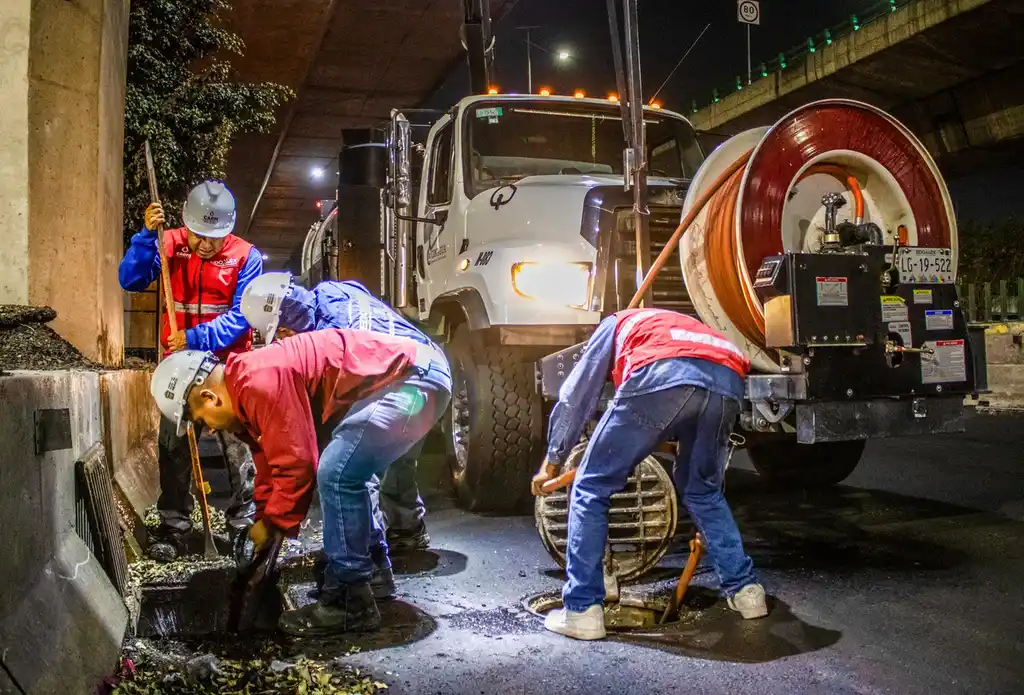
Not every leak shows itself. We use leak detection equipment and pressure gauges to find hidden leaks behind walls, under slabs, and in supply lines. A slab leak near a sewer repair area can complicate the job, so we map both before we dig. Early detection saves concrete and drywall.
View service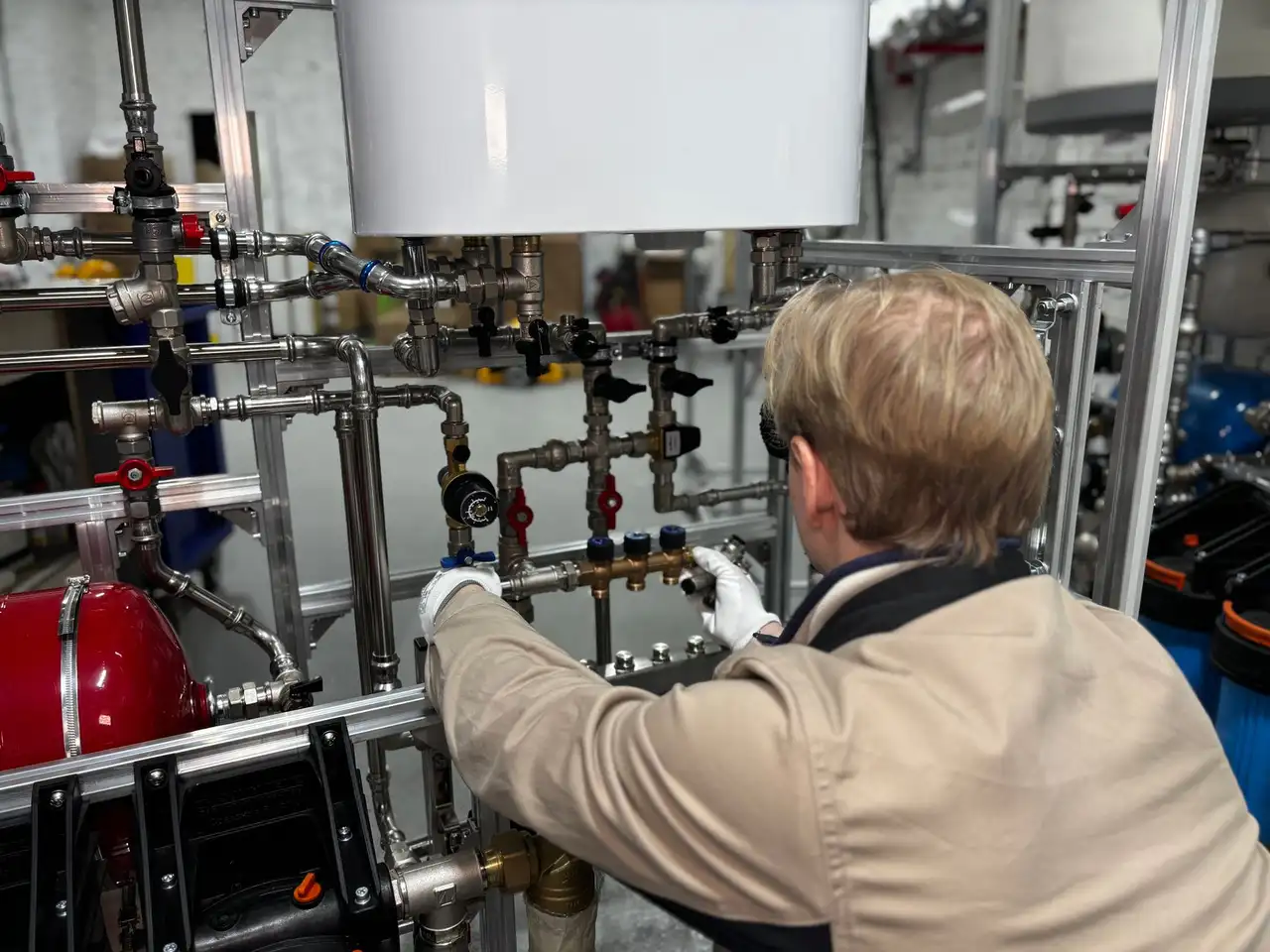
Call us at (205) 708-6253 or send an email to [email protected]. We answer the phone during business hours and return messages after hours for emergencies. If you've got a leak, a clog or no hot water, don't wait. Reach out and we'll get you on the schedule.