Focused arrival windows
Useful updates and clear arrival timing.
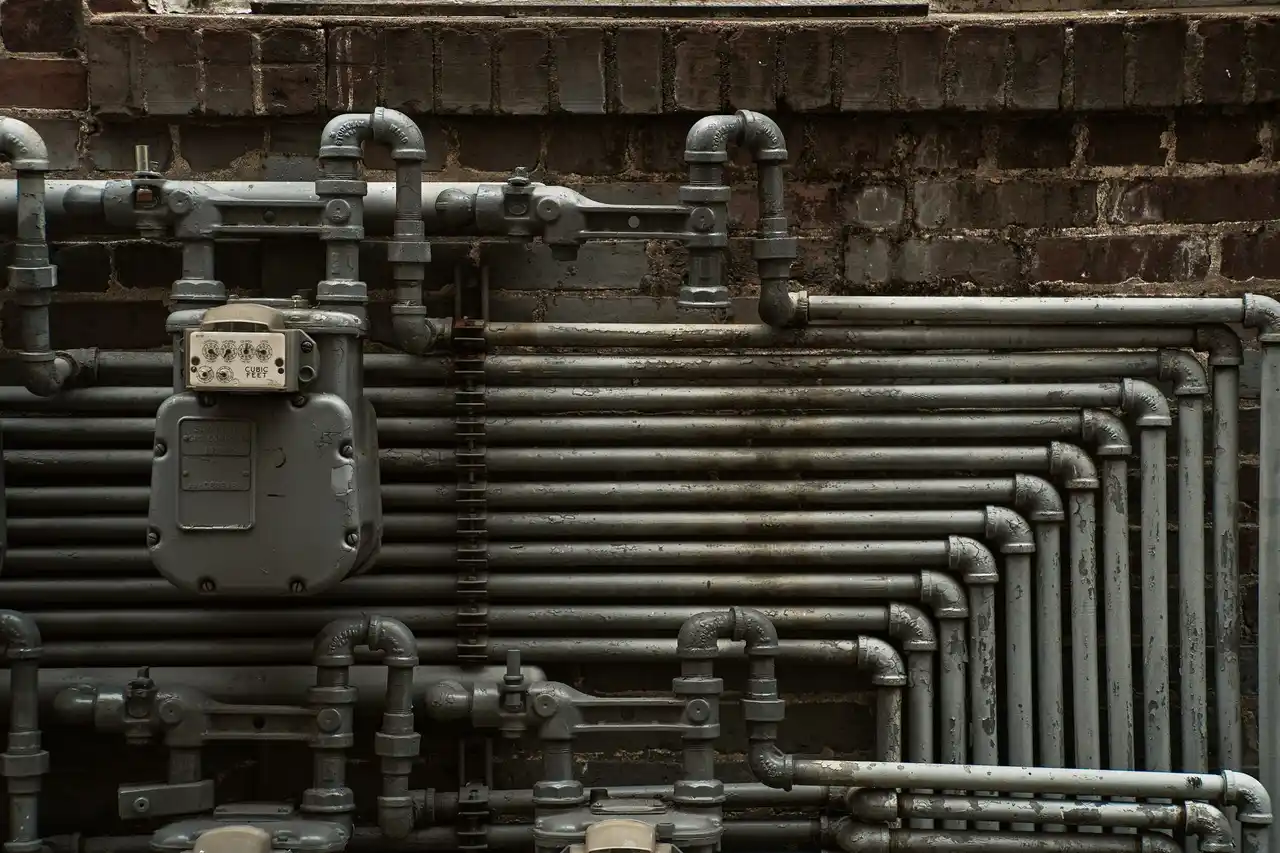
When your drains gurgle, the laundry tub backs up, or you have sewage coming up in the lowest fixture in the house, you need sewer cleaning in Eastaboga, Alabama from someone who finds the actual cause instead of just poking a hole in it. We run a sewer camera, cut roots, and hydro jet the pipe clean. One call, one visit, line flowing again.
Useful updates and clear arrival timing.
Review the approach and price before deciding.
Equipped vehicles and respectful cleanup.
Neighbors serving neighbors with follow-through.
Every main line cleaning includes the same core steps so you know exactly what you are paying for. If the camera shows something jetting cannot fix, we tell you before you spend another dollar.
Before and after footage of your main line. You see what we see. If there is a crack, a root mass, or a belly, it is on the screen and you get a copy.
Full-diameter cleaning at 3,000 to 4,000 PSI. Not a snake that pokes a hole. We scour the pipe walls so grease, scale, and root hairs come out, not just the center of the clog.
On lines with heavy root intrusion, we run a root-cutting nozzle to clear the mass at the joints. This is the step that buys you 12 months instead of 12 weeks.
We open the cleanout, clear it, and cap it back. If the cleanout is buried or missing, we locate it and note the depth so the next visit is faster.
After cleaning, we run every fixture in the house at once and watch the line. If it holds under full load, you are done. If not, we keep working until it does.
You get a plain-English summary of what we found, what we did, and what to watch for. If a repair is coming down the road, you will know before it becomes an emergency.
Share what is happening and receive a clear next step from the local team.
Sewer cleaning in Eastaboga, Alabama is the process of removing grease, scale, roots, and debris from the main line that runs from your house to the city tap or septic tank. It is not the same as plunging a toilet. We pull the cleanout cap, feed a sewer camera down the pipe to see what is actually in there, then run a drain snake or a hydro jetter at 3,000 to 4,000 PSI to scour the walls back to bare pipe. On older clay and cast iron laterals, that difference between snaking and jetting is the difference between a two-week fix and a two-year fix.
Most calls we get in Eastaboga start the same way: a slow drain that turns into a backup, usually in the lowest fixture in the house. Around here the usual suspects are root intrusion from the pines and oaks along the property line, grease and scale in older cast iron, and collapsed clay tile in lines installed before PVC pipe became standard. If you have been searching for sewer cleaning near me Eastaboga Alabama and getting nothing but call centers, we are local, we answer the phone, and we carry the equipment on the truck to finish the job the same day.
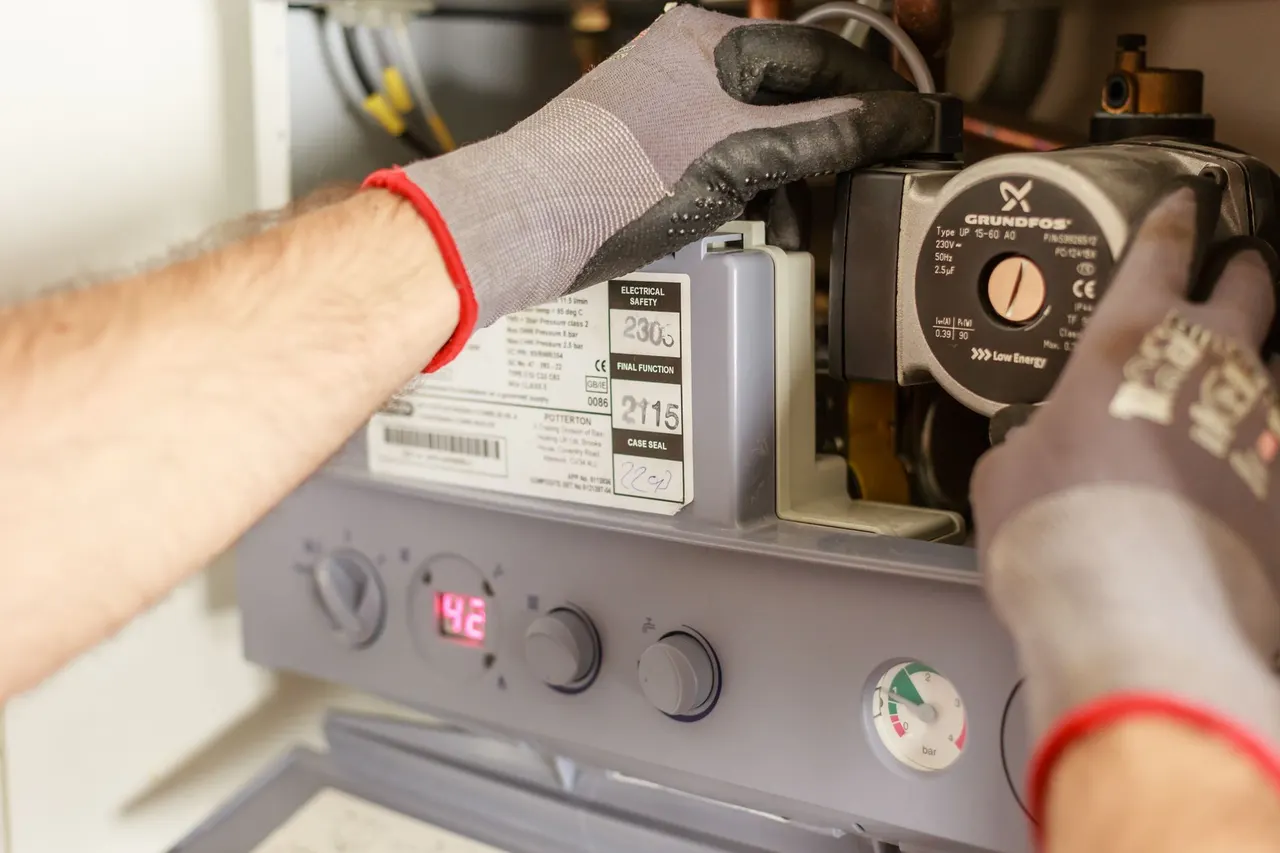
We ask three questions: which fixtures are backing up, is it every drain or just one, and do you hear gurgling. That tells us whether this is a main line or a branch drain before we roll. Most calls take under five minutes and you get a window, not a four-hour block.
We find the outside cleanout, or pull the toilet if the house does not have one, and open the line. Older Eastaboga homes sometimes have the cleanout buried under landscaping or a deck post. We dig it out, mark it, and note the depth so the next visit is faster.
A RIDGID sewer camera goes down the pipe first. We are looking for root intrusion at the joints, a bellied section holding water, cracked clay tile, or a buildup of grease and scale. This takes 10 to 15 minutes and it is the step that separates a real diagnosis from a guess.
We run the hydro jetter at 3,000 to 4,000 PSI with a root-cutting nozzle on lines that need it. A typical residential main line takes 45 minutes to two hours depending on length and how much root mass is in there. You will hear the water running through the pipe when it breaks through.
After jetting, the camera goes back down. We confirm the pipe is clean wall to wall, then run every fixture in the house at once and watch the line. If it holds, we cap the cleanout and you are done. If the camera shows a break or a bad belly, you get photos and a straight answer on what comes next.
Inspects the inside of the pipe before and after cleaning. Shows roots, cracks, bellies, and buildup on a monitor so you see the diagnosis, not just hear it.
Cleans the full inside diameter of the pipe at 3,000 to 4,000 PSI. Used on every main line we can reach. Not a snake, not a plunger.
Attaches to the jetter hose and cuts through root masses at the pipe joints. Used on lines with heavy intrusion from pines and oaks.
Used on branch drains and smaller lines where a jetter would be overkill. Also used to clear the cleanout path before the jetter goes in.
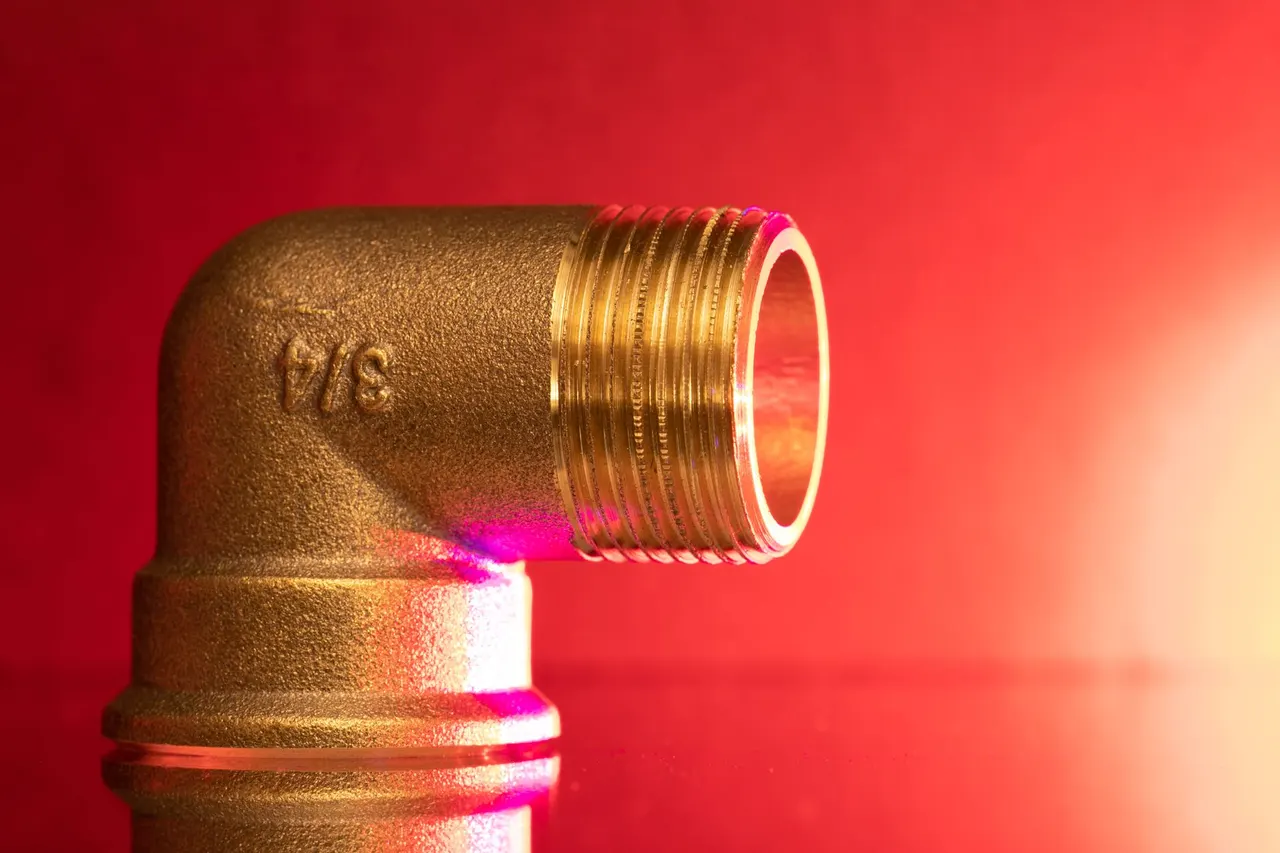
For opening stubborn cleanout caps and replacing damaged fittings. We carry PVC pipe, ABS pipe, and pipe fittings on the truck for same-day repairs.
Rules out a supply-side leak when the symptoms are ambiguous. A slab leak can look like a sewer problem until you test the water side.
We never jet a line blind. The camera goes down first so we know what we are dealing with. This prevents damaging a fragile clay tile line with high-pressure water and tells us whether jetting will actually solve the problem.
Pressure is matched to the pipe material. Older clay tile and cast iron get lower pressure with more passes. PVC pipe and ABS pipe can take full pressure. Matching the tool to the pipe is how you clean without breaking.
For lines with repeat root intrusion, we run a root-cutting nozzle and follow with a descaling pass. This removes the root mass and the scale that gives roots something to grab onto, which extends the time between cleanings.
Every repair we make follows the Uniform Plumbing Code. That matters when you sell the house, pull a permit, or have an inspection. We do not cut corners on venting, slope, or pipe material.
We treat holiday calls as priority. A tech arrives with a hydro jetter and clears the grease and food buildup in the main line. Most holiday kitchen backups clear in under two hours. Dishes done, guests fed, no plumber's bill on top of the turkey.
We run a full camera inspection and jet the line if it needs it. You get footage and a written report on the condition of the pipe, which is useful whether you are staying or selling. You know exactly what you bought and what it will cost to keep it running.
This is often a combination of root intrusion and a line that is undersized for the load. We camera it, jet it, and tell you if the line needs repair or if a backwater valve would solve it. Laundry runs without a mop bucket in the basement.
We coordinate directly with the tenant, clear the line, and send you the camera footage and invoice. No need for you to drive over for the visit. Tenant happy, you have documentation for your records.
Eastaboga sits on the line between Calhoun and Talladega counties, and the housing stock reflects it. You have older homes on clay tile laterals that were installed decades ago, newer builds on PVC pipe, and a lot of properties on septic systems outside the city limits. The soil here is heavy red clay that holds water, which means a line with a slight belly will pond and clog faster than it would in sandier ground. The pines and oaks that shade these properties are beautiful, but their roots find every joint in an older pipe. We run hydro jetting sewer cleaning Eastaboga AL calls year-round, but the busy season is late fall through early spring when roots are actively growing and the ground stays wet. If you are on septic, we check the tank level and the inlet baffle before we jet, because jetting a line into a full tank just sends it back at you. We know where the cleanouts tend to be on these properties and we carry the fittings to repair what we find.
Mix of older homes on clay tile and newer builds on PVC pipe. Cleanouts are often near the front foundation wall or under a shrub bed.
Longer laterals to the street, more root intrusion from mature trees. Camera inspection is essential before jetting these lines.
Mostly septic systems. We check the tank before jetting and can pump or repair the inlet baffle if needed.
Some properties have older cast iron laterals with scale buildup. Descaling after jetting makes a real difference here.
A line with a slight belly ponds water year-round, which accelerates grease and scale buildup. Jetting clears it, but the belly will need repair eventually.
Roots enter at every joint and crack. A snake cuts them at the pipe wall and they grow back. Hydro jetting with a root-cutting nozzle clears more of the mass and buys more time.
Clay tile is fragile. High-pressure jetting can crack it if the pressure is not matched to the pipe. We run lower pressure with more passes on these lines.
Jetting a line into a full tank sends waste back at you. We check the tank level and the inlet baffle first, then jet only if the tank can take it.
Homeowner in Eastaboga had backed up three times in 18 months. Each time a different company snaked the line and it came back within weeks. The camera showed root masses at four joints and a partial blockage at the 45-foot mark.
We ran a root-cutting nozzle at 3,500 PSI, made three passes, and re-camera'd the line. The pipe was clean wall to wall. It has been 14 months with no backup and the homeowner is on a 12-month maintenance schedule.
Maintenance: Annual camera inspection and jetting. If roots return, a foaming root killer applied twice a year slows them down between visits.
A rental property in Oxford had slow drains in every fixture. The camera showed a cast iron lateral with heavy scale buildup reducing the inside diameter by about 40 percent. Snaking had been done twice with no lasting result.
We jetted at 3,000 PSI with a descaling nozzle, made four passes, and restored the full diameter. The tenant reported normal drain flow the same day. The landlord now schedules cleaning every 18 months.
Maintenance: Enzyme treatment monthly to slow grease and scale buildup. Avoid pouring cooking grease down the drain.
A home near the Choccolocco corridor had sewage backing up into the lowest bathroom. The camera showed a collapsed clay tile section at 52 feet with soil entering the pipe. Jetting alone would not fix it.
We excavated the failed section, replaced 12 feet of clay tile with PVC pipe, and re-camera'd the line. The repair passed a full-house flush test and the homeowner has had no backups in the 10 months since.
Maintenance: Annual camera inspection for the first two years after a spot repair. Keep heavy vehicles off the repaired section of the yard.
Most sewer calls fall into a handful of categories. Here is what we see most and how we handle it.
This is a main line blockage, not a fixture problem. Every flush adds water to a line that is already full. If you keep using water, you get sewage on the floor. We pull the cleanout, camera the line, and jet it clear. Most backups like this clear in one visit. If the camera shows a collapsed section, we quote the repair on the spot and you decide.
Gurgling means air is being pulled through a partially blocked line. It is the early warning before a full backup. Ignoring it usually means a weekend emergency call. We jet the main line and check the vent stack while we are there. A partial blockage caught early is a cheaper job than a full backup on a Sunday night.
Snaking cuts a channel through the clog. Roots and grease close it back up. If you are on a 90-day snake schedule, you are paying for the same job over and over. We run a camera to find out why it keeps coming back, then hydro jet with a root-cutting nozzle. If the pipe is failing, we quote sewer line repair or replacement so you can stop the cycle.
A sewer smell usually means a dry trap, a broken vent, or a crack in the line letting gas escape. It can also mean a partial blockage holding waste in the pipe. We camera the line, check the traps and vents, and find the source. If it is a crack, we repair it. If it is a dry trap from an unused fixture, we tell you and you fix it for free.
$250 - $700 depending on scope
We quote flat rates, not hourly. A standard main line cleaning with camera inspection runs $250 to $550 in this area as of 2026. Heavy root intrusion, long laterals over 80 feet, or a line that needs multiple jetting passes can push it toward $700. If the camera shows a repair is needed, that is quoted separately so you can decide. We do not charge a trip fee to come out and look. If the line is clear and you do not need service, you pay nothing.
You are paying for a camera diagnosis, a full-diameter hydro jetting, and a tech who knows the difference between a line that needs cleaning and a line that needs repair. That is what keeps you from paying for the same snake job three times a year.
A 30-foot lateral with an easy cleanout is a quick job. An 80-foot lateral with a buried cleanout takes longer and more hose. Access is the single biggest variable in the price.
A grease clog clears in one pass. Heavy root intrusion may need three or four passes with a root-cutting nozzle. More passes mean more time on the machine.
Fragile clay tile and older cast iron need lower pressure and more passes. PVC pipe and ABS pipe clean faster. If the pipe is failing, jetting may not be the right call and we will tell you.
A 2 a.m. call on a Sunday costs more than a Tuesday morning appointment. We keep the after-hours premium reasonable and we tell you the number before we dispatch.
If the camera shows a crack, a belly, or a collapsed section, the repair is a separate quote. We show you the footage and give you the number. No pressure, no same-day-only discount games.
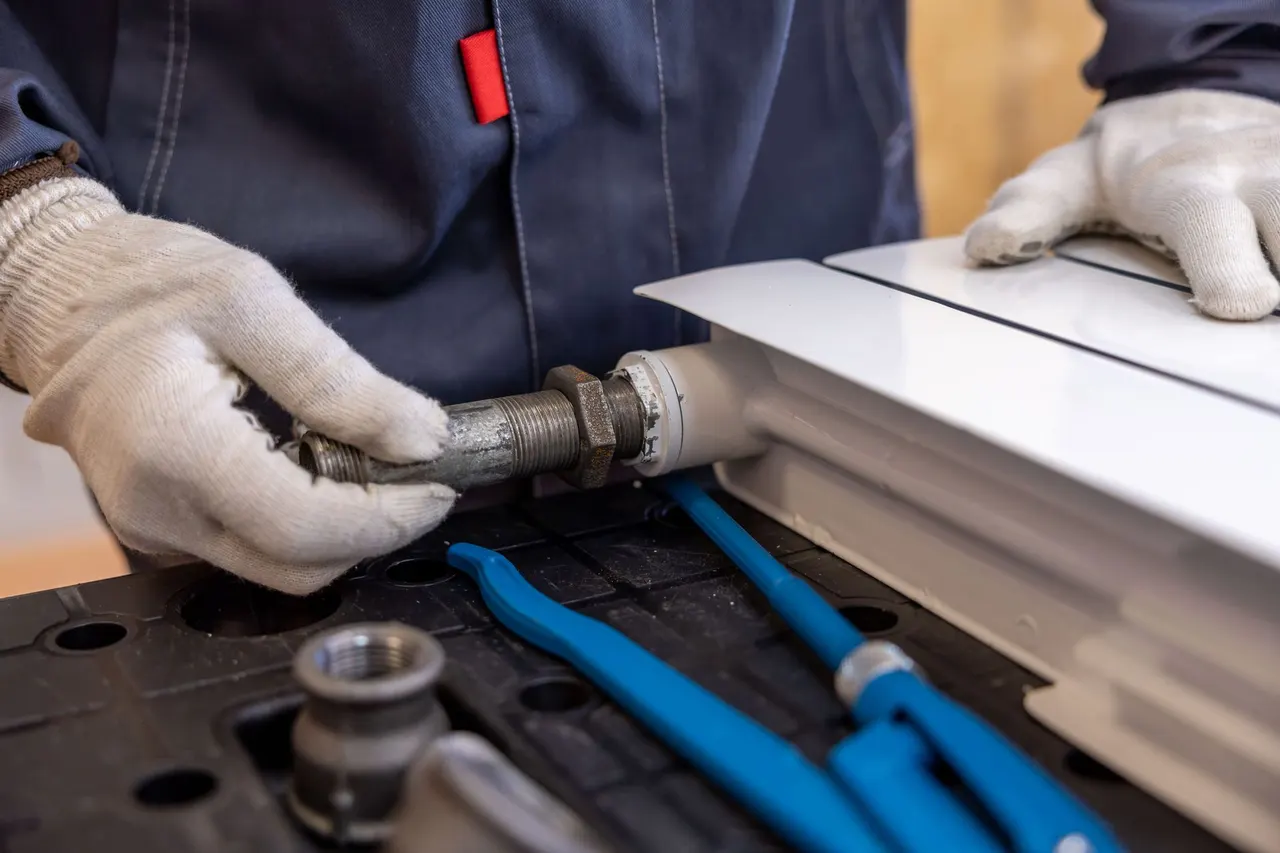
We are a licensed plumbing contractor working out of Eastaboga, and sewer work is a big part of what we do. Our techs are trained on sewer camera diagnostics, hydro jetting safety, and root cutting on clay, cast iron, PVC pipe, and ABS pipe laterals. We hold the Alabama Plumbers License and follow the Uniform Plumbing Code on every repair we make. We have cleared lines under slab-on-grade houses, on septic systems, and on the older properties where the lateral runs 80 feet to the street. When we tell you what is wrong with your line, it is because we saw it on camera, not because we guessed.
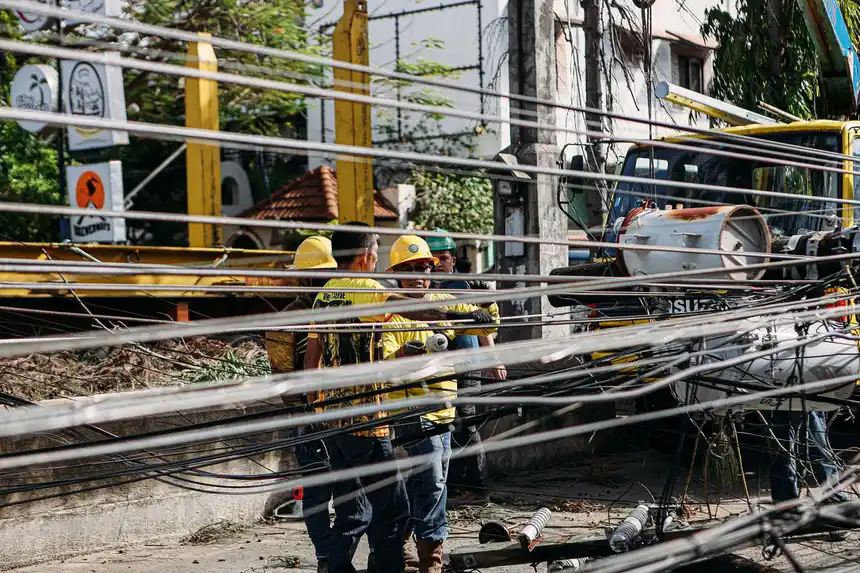
Our washing machine drain backed up into the shower on a Sunday. Called at 8 a.m., had a tech here by 11. He ran a camera, showed me the root mass on the screen, and jetted the line. Been six months and no backup. Price was what he quoted on the phone. No surprises.
I have had three different companies snake this line over the years and it always came back. These guys ran a camera, found a belly in the pipe holding water, and told me the truth: jetting would help but the line needed a repair. Did the repair, no problems since. Straight shooters.
Sewage smell in the basement for weeks. Turned out to be a cracked section of cast iron under the slab. They camera'd it, showed me the crack, and repaired it. Cleaned up after themselves too. I have their number on the fridge now.
Typical 2026 pricing in this area runs $250 to $550 for a standard main line cleaning with camera inspection. Heavy root intrusion, long laterals over 80 feet, or a line that needs multiple passes can push it toward $700. You get the price before we start, and if the camera shows a repair is needed, we quote that separately so you can decide.
Most homes need it every 18 to 24 months if there are mature trees near the lateral. If you have had root intrusion before, plan on every 12 months. Restaurants and homes with a lot of grease going down the drain should be on a 6 to 12 month schedule. We can set a reminder so you are not waiting for a backup to remember.
The three we see most are tree roots at the pipe joints, grease and scale buildup in older cast iron, and collapsed or offset clay tile. Roots are the number one cause on properties with pines and oaks near the line. Flushable wipes and paper towels are a close second, especially in homes with low-flow toilets that do not move waste fast enough.
Yes, and they are the most common cause of repeat backups we see. Roots enter at the joints, hairline cracks, and older clay tile connections. A drain snake cuts them at the pipe wall, but they grow back within weeks. Hydro jetting with a root-cutting nozzle clears more of the root mass and buys you 12 months or more before the next visit.
Not seeing your question? Our local team can help you understand urgency, scheduling and what to expect.
Ask the local team
Branch drains and main lines are two different jobs. If your kitchen sink or shower is slow but the toilets flush fine, you need drain cleaning, not a full sewer jetting. We diagnose which one you have before we quote.
View service
A dripping faucet is not a sewer problem, but it wastes water and can mask a pressure issue. If we are already at the house for sewer cleaning in Eastaboga, we can swap a faucet cartridge or rebuild the valve on the same visit.
View service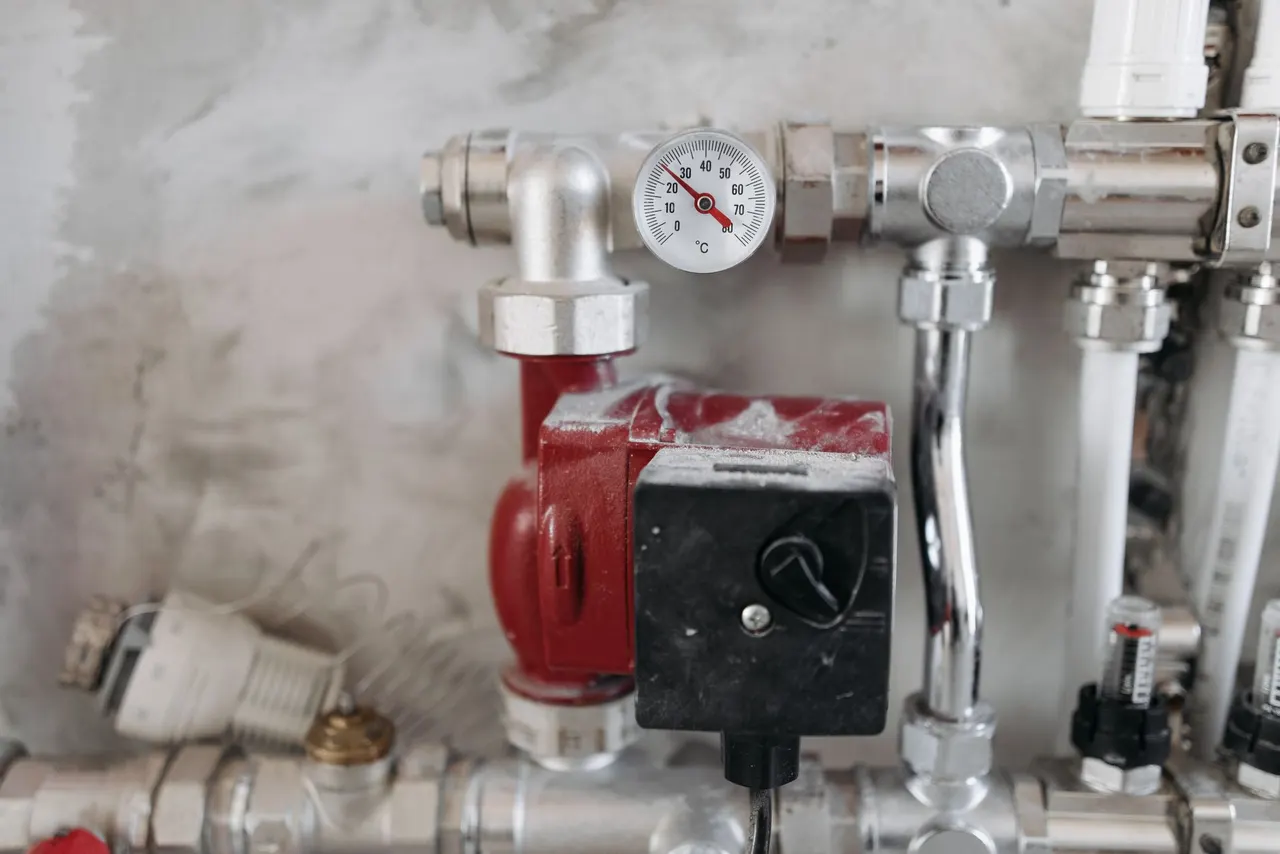
New faucet going in after a remodel? We handle the install and check the drain line while we are under the sink. It is cheaper to catch a slow drain during a faucet swap than to call us back a month later.
View service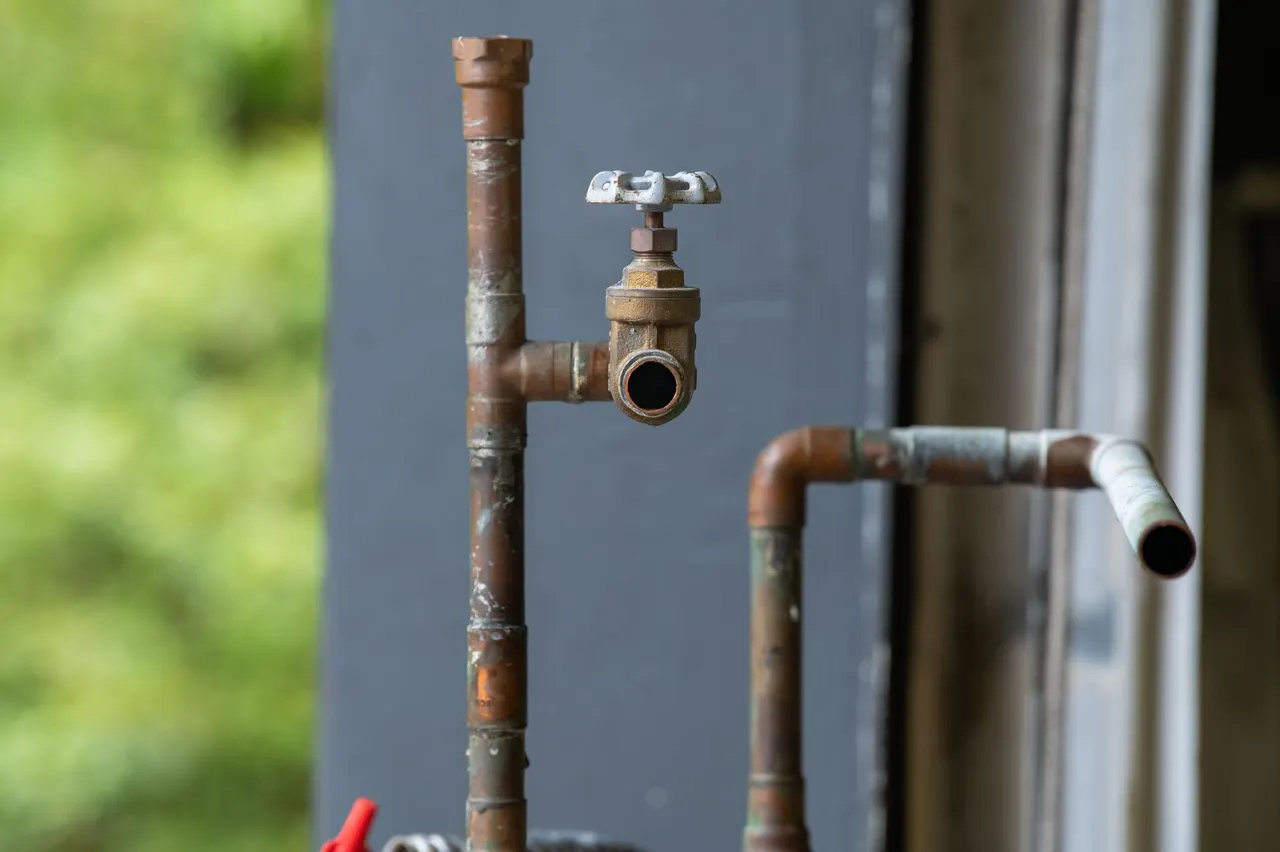
A sewer backup and a slab leak can look similar from the inside. We use leak detection equipment to rule out a supply-side leak before we start jetting, so you are not paying for the wrong repair.
View service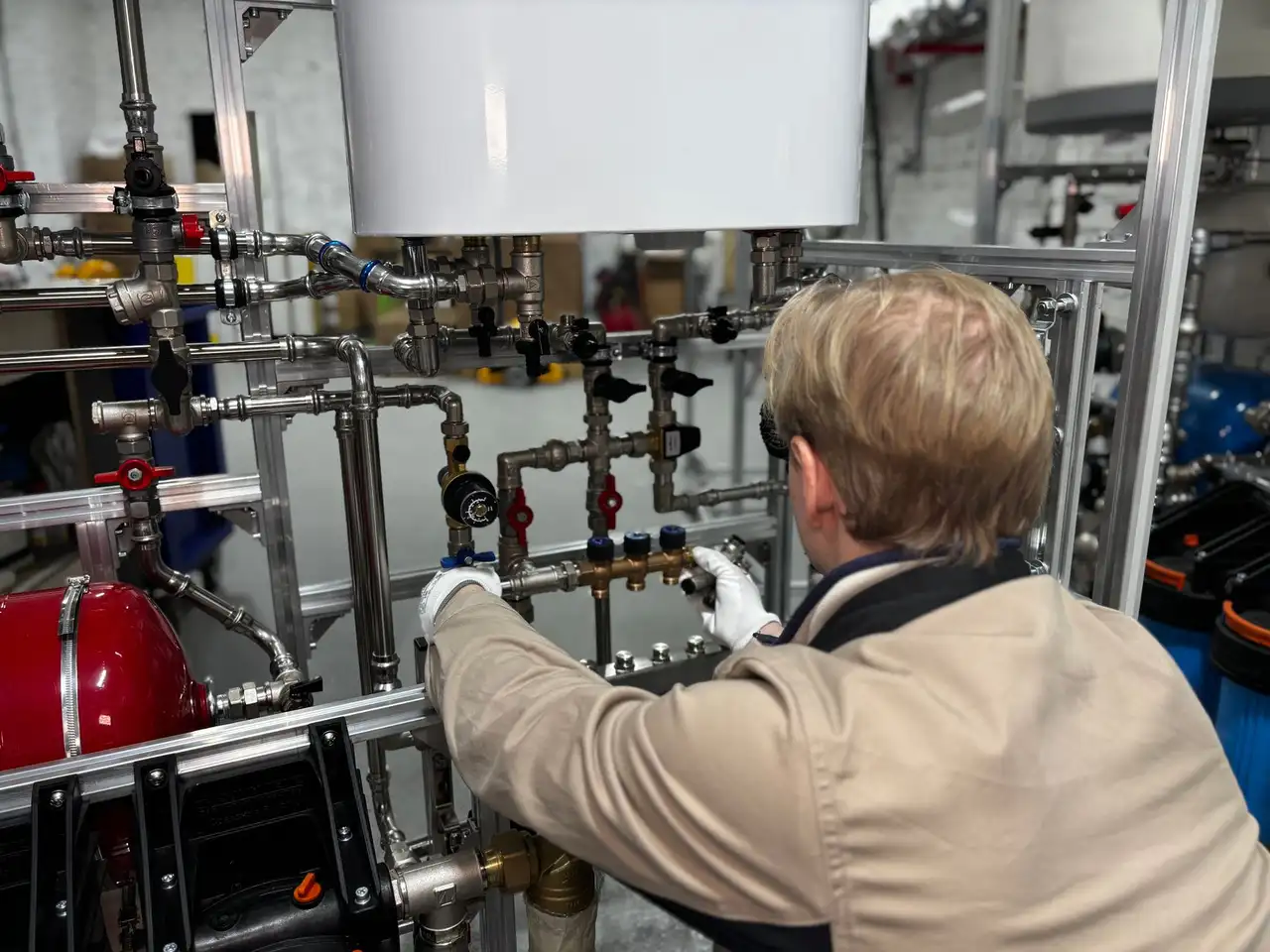
Call us at (205) 708-6253 or send an email to [email protected]. We answer the phone during business hours and return messages after hours for emergencies. If you've got a leak, a clog or no hot water, don't wait. Reach out and we'll get you on the schedule.