Focused arrival windows
Useful updates and clear arrival timing.
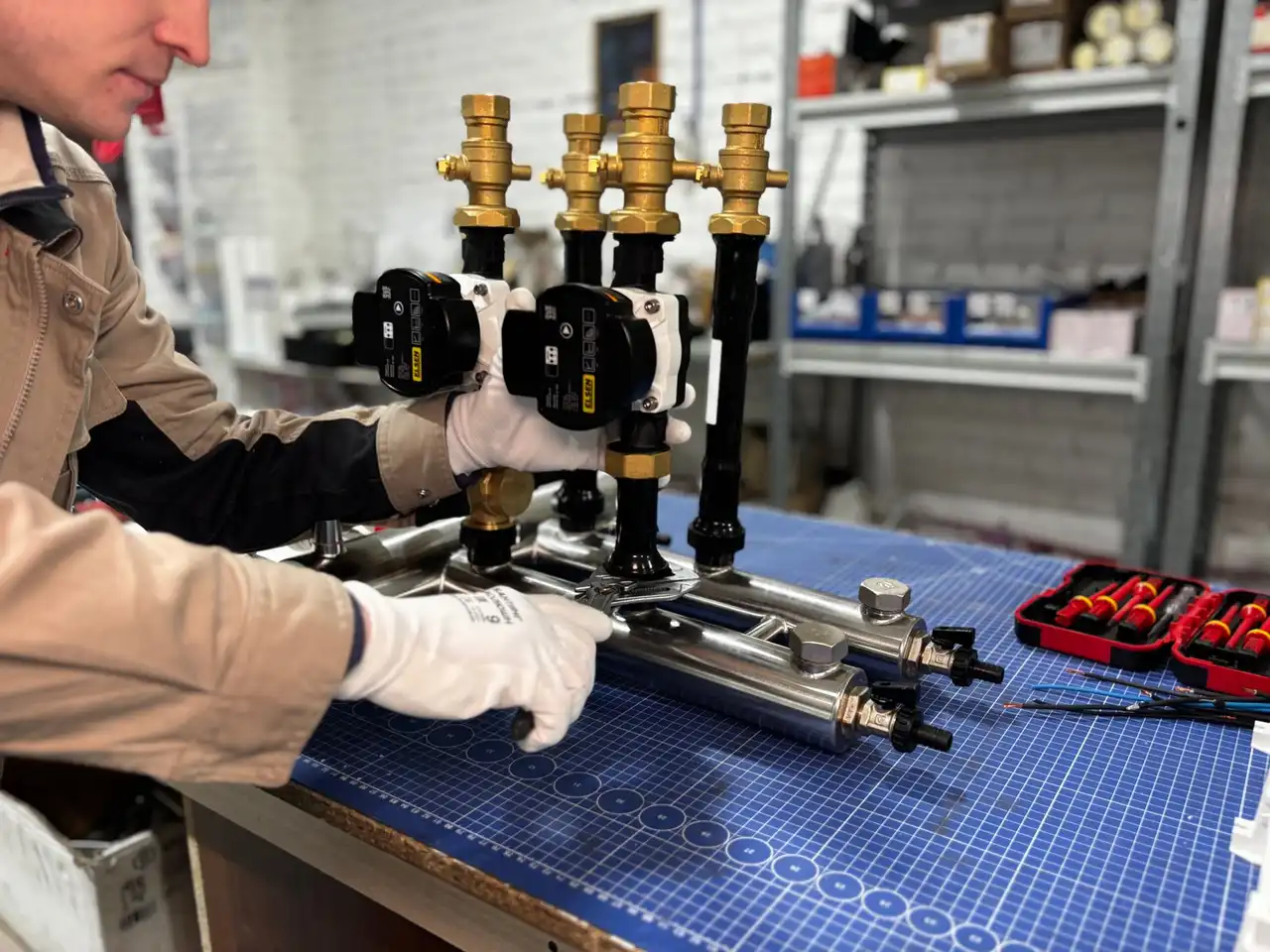
When your old tank gives out or you're tired of running out of hot water mid-shower, tankless water heater installation in Eastaboga, Alabama is the upgrade that pays you back every month. We size the unit to your fixtures, run gas and venting to code, and have hot water back the same day on most jobs. One call gets a licensed plumber on your property.
Useful updates and clear arrival timing.
Review the approach and price before deciding.
Equipped vehicles and respectful cleanup.
Neighbors serving neighbors with follow-through.
Every install we quote covers the work needed to make the unit run right, not just hang it on the wall. Here's what's standard, and what we'd only add if your house needs it.
We supply the tankless unit, wall bracket, and isolation valves, and we mount it level with clearance for service. We confirm the model matches your BTU and flow needs before it goes up.
We measure gas pressure and pipe size, then upgrade the line if the unit needs more volume. A pressure gauge test confirms the unit holds fire at full demand before we sign off.
We run the manufacturer-approved vent to spec, with correct clearances from windows and doors per Uniform Plumbing Code. Vent length and material are matched to the unit, not guessed.
We connect hot and cold with proper fittings and Teflon tape, install the pressure relief valve, and purge air from the lines so the unit fires clean on the first try.
We shut off gas and water, disconnect the old tank, drain it, and haul it away. You don't have to schedule a separate pickup or pay a disposal fee on top of the quote.
We test hot water at the farthest fixture, set the outlet temperature, and show you the shutoff and descaling port. You'll leave knowing how the unit behaves and what maintenance it needs.
Share what is happening and receive a clear next step from the local team.
Tankless water heater installation in Eastaboga, Alabama means swapping a storage tank for a wall-mounted unit that heats water on demand as it flows through a copper heat exchanger. There's no standing 40 or 50 gallons reheating all day, so standby losses drop and you get continuous hot water instead of a ten-minute window. The job covers gas line sizing, a dedicated vent, water line re-piping, and a pressure relief valve tied to code.
Most Eastaboga homes we walk into still run a 15-year-old tank in a closet or garage, and the family has learned to stagger showers. If that's your house, a tankless water heater install Eastaboga AL homeowners can rely on starts with a load calculation, not a sales pitch. We measure incoming water temperature, count fixtures, and check gas pressure before we quote a single unit.
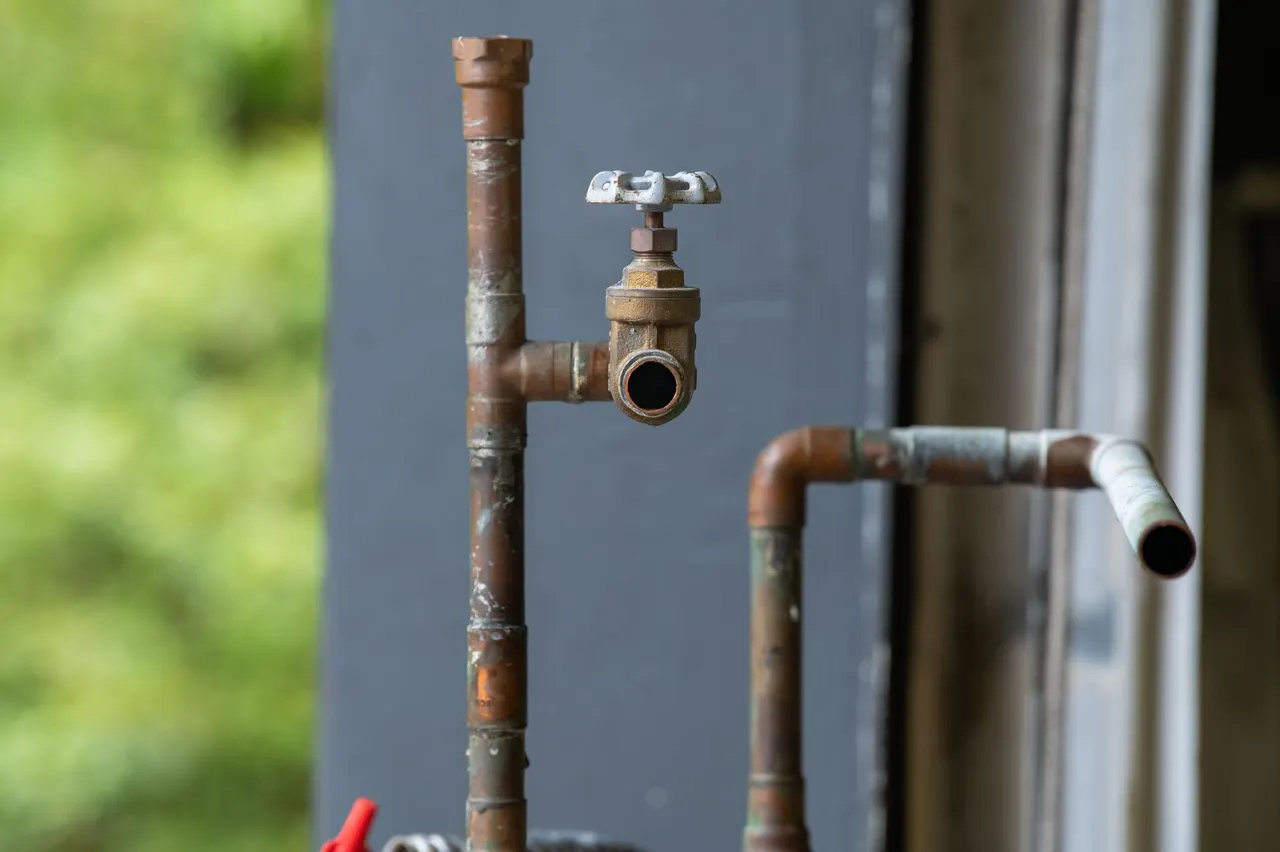
We check gas line size, vent path, water pressure, and available wall space, then measure incoming water temperature. This takes 30 to 45 minutes and tells us exactly what size unit your fixtures demand.
You get a flat quote covering the unit, gas work, venting, and any pipe changes, with no surprise line items later. We explain the difference between a 199,000 BTU and 160,000 BTU unit if both fit your house.
Most swaps take 4 to 6 hours. We shut off gas and water, remove the old tank, mount the new unit, run the vent, and pressure-test every connection before we open the valve.
We set the outlet temperature, purge air from the lines, and test hot water at the farthest fixture. You'll see the unit fire and hold temperature before we call the job done.
We show you the isolation valves, the vent termination, and the descaling port, and we leave the manufacturer's paperwork. You'll know how to shut the unit down if you ever need to.
Used to break loose old fittings and cut copper or PEX pipe cleanly when we re-route supply lines to the new unit.
Tests gas line pressure before and after the install so we know the unit gets steady volume at full fire.
Used for copper joints where we tie into existing lines, with flux and pipe solder applied to code.
Checks for hidden leaks around the heater closet and supply lines before the new unit is commissioned.
Cordless cutters, press tools, and diagnostic meters that speed up the job and keep connections tight.
Inspects drain lines near the utility room when a leak or backup could affect the new install area.
We follow UPC rules for vent clearances, pressure relief valve placement, and gas line sizing. That keeps the install inspectable and protects your homeowner's insurance.
We count fixtures and measure incoming water temperature to size the unit in BTUs and gallons per minute. This prevents the undersizing that causes cold-water complaints.
Every gas connection gets a gauge test before the unit fires. We hold pressure long enough to confirm no leaks, then commission the unit and test hot water at the farthest fixture.
We flush the heat exchanger with a descaling solution once a year to remove mineral buildup. In Eastaboga's water, that step is what keeps the unit efficient and the warranty valid.
We measure flow at the fixtures and size a 199,000 BTU unit that holds temperature through two showers and a load of laundry at once. Hot water stays steady at every fixture, and the family stops staggering showers.
We install a tankless unit with a 20-year heat exchanger life and set up annual descaling to protect the warranty. One install instead of two tank replacements, and lower standby losses along the way.
We hang a wall-mounted Navien or Rheem unit and run the vent to code, freeing the floor for shelving or a second fridge. About 2 square feet of wall replaces a 4-foot closet, and the room works again.
We confirm gas pressure with a gauge and install the unit without upsizing pipe, keeping the job near the low end of the price range. A faster install and a lower total cost, with the same endless hot water.
Eastaboga sits in a part of Alabama where winter mornings can drop into the 20s, and incoming water temperature swings from about 45 degrees in January to 75 in July. That swing matters for sizing: a unit that keeps up in summer can fall short in a cold snap if it's undersized. We measure incoming temperature before we quote. Many homes here were built before 1990 with 1/2-inch gas lines and tank heaters in a closet, so a tankless water heater service Eastaboga Alabama homeowners call for often includes upsizing the gas line and running a new vent. If you're comparing the cost to install tankless water heater Eastaboga AL, ask whether gas work and venting are in the number. Ours always are.
Older homes near the center often have gas lines sized for a tank, so we check pipe diameter before quoting a tankless unit.
Hilly lots and longer vent runs are common here, so we plan the vent path before the unit goes on the wall.
Newer builds tend to have larger gas service, which can keep a tankless install closer to the low end of the price range.
Utility rooms here are often tight, so a wall-hung unit is a better fit than a tank when floor space is limited.
Water entering at 45 degrees needs more BTU to reach 120, so we size up when the house draws hot water at multiple fixtures in winter.
Many pre-1990 homes can't feed a 199,000 BTU unit, so we upsize the line and pressure-test before commissioning.
Mineral content speeds scale buildup in the heat exchanger, which is why we recommend annual descaling and set up the port at install.
A 15-year-old 50-gallon tank in an Eastaboga garage had rusted through and left a puddle under the closet. The family of five was taking cold showers and waiting 40 minutes between loads of laundry.
We removed the tank, upsized the gas line to 3/4-inch, and hung a Navien unit with a side-wall vent. Hot water now holds at 4 gallons per minute continuously, and the garage floor is dry.
Maintenance: Flush the heat exchanger once a year with descaling solution and check the vent termination each fall before the first cold snap.
A homeowner in Oxford had a 40-gallon tank eating the only closet near the kitchen. The unit was 12 years old and recovery had slowed to the point that dishes waited on hot water.
We moved the system to the garage wall with a Rheem unit, reclaimed the closet for a pantry, and cut standby loss. The gas bill dropped noticeably the first full month after the swap.
Maintenance: Keep the area around the unit clear and schedule descaling every 12 months to protect the heat exchanger warranty.
A Lincoln homeowner had a tankless unit installed by another outfit on a 1/2-inch gas line. It tripped fault codes whenever two fixtures ran at once, and hot water fluctuated in the shower.
We diagnosed low gas volume with a pressure gauge, upsized the line, and corrected the vent clearance. The unit now holds temperature through a shower and a dishwasher at the same time.
Maintenance: Check gas pressure annually and descale the heat exchanger to keep the unit from short-cycling under load.
Most calls we get about tankless start with a problem the old tank created. Here are the ones we hear most in Eastaboga.
A 40-gallon tank recovers in 30 to 45 minutes, so the third shower goes cold and the dishwasher waits. Families end up scheduling around the heater instead of living normally. We size a tankless unit to your fixture count and flow rate, so hot water holds at 2 to 5 gallons per minute continuously. You stop scheduling showers around the tank.
A leaking tank can dump 40 gallons onto the floor and damage drywall, stored items, and the subfloor. Left alone, it rusts out the pan and invites mold. We remove the failed tank, inspect the area for water damage, and install a wall-hung unit that keeps water lines overhead. If the leak reached a drain line, we clear it before the new unit goes in.
A storage tank loses heat around the clock, even when nobody's home. That standby loss shows up as a steady charge on every gas bill. A tankless unit fires only when a faucet opens, cutting standby loss by 20 to 30 percent. We size the unit and gas line so it runs efficiently instead of short-cycling.
A 50-gallon tank needs a 4-foot closet and clearance for service. In smaller Eastaboga homes, that space is often the only storage the house has. We mount the tankless unit on a wall in the garage or utility room, reclaiming the floor space. The unit takes about 2 square feet and leaves room for shelving or a pantry.
$2,400 - $4,800 depending on scope
Typical 2026 pricing in this area runs $2,400 to $4,800 for a full tankless install, including the unit, venting, and gas work. The low end fits a home with an oversized gas line and a short vent run; the high end covers upsizing pipe, a longer vent, or a higher-BTU unit. We quote flat after the on-site assessment, so the number you see is the number you pay. Affordable tankless water heater installation Eastaboga Alabama homeowners can budget for starts with an honest assessment, not a phone estimate.
A tankless unit lasts roughly twice as long as a tank and cuts standby loss by 20 to 30 percent. Spread over 20 years, the upfront difference narrows fast, and you stop paying for hot water you never use.
A 160,000 BTU unit costs less than a 199,000 BTU model, and Rheem, Navien, and A.O. Smith units vary in price. We match the unit to your fixture load so you don't pay for capacity you won't use.
If your existing line is 1/2-inch, upsizing to 3/4-inch adds labor and material. Homes with a larger line already in place stay near the low end of the range.
A short side-wall vent is cheaper than a long run through a roof or around an obstacle. We plan the shortest code-compliant path before quoting.
A garage or utility wall is simpler than a tight closet that needs re-piping. Moving the unit to a better spot can reduce future service costs.
Most units need a 120-volt outlet, and condensing models need a drain path. If either is missing, we add it to the quote so there's no surprise later.
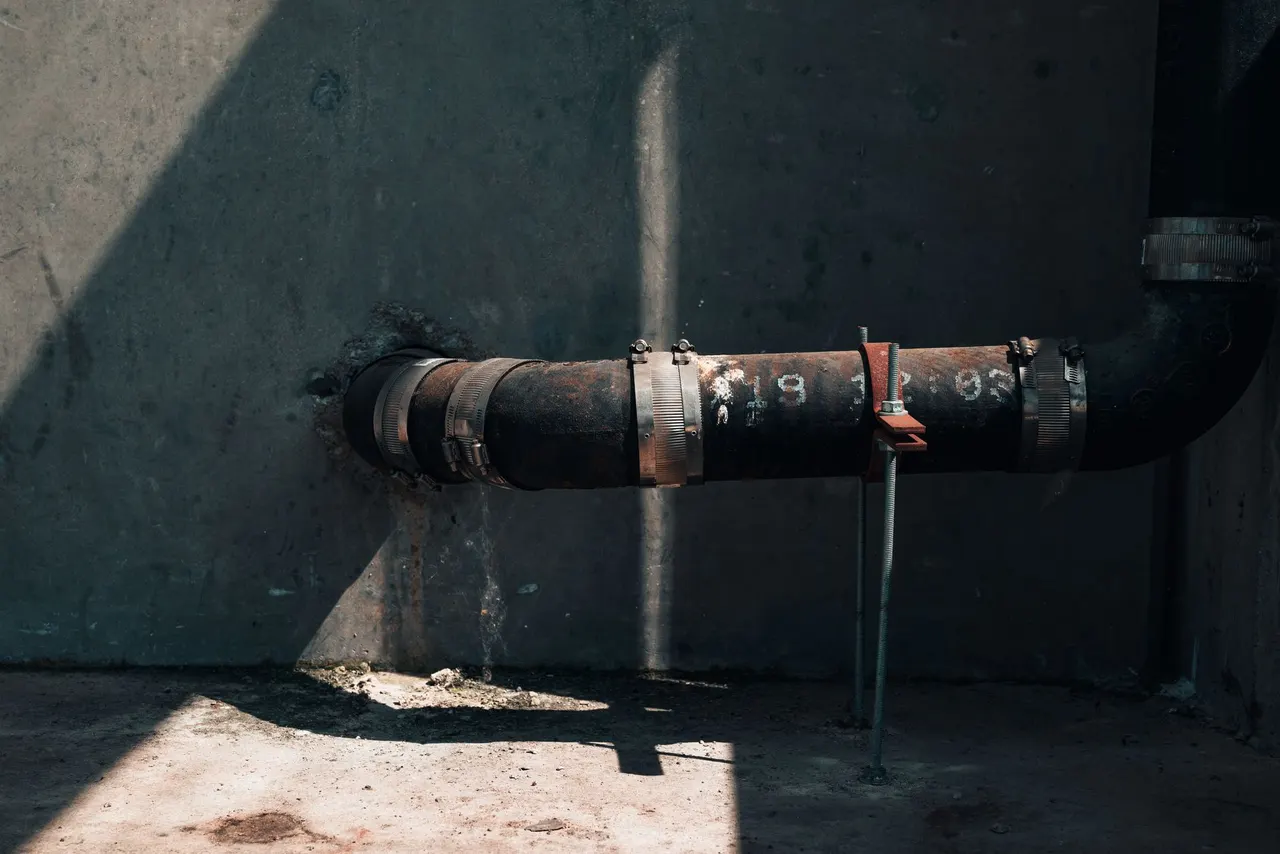
Tankless units fail early when they're undersized, vented wrong, or fed by a gas line that can't carry the load. Our team holds Alabama Plumbers License credentials and Gas Fitter Certification, and we work to Uniform Plumbing Code standards on every install. We've corrected plenty of rushed jobs where a big-box unit was hung on a 1/2-inch gas line and never ran right. We read the manufacturer's spec sheet for Rheem, Navien, and A.O. Smith units before we cut a single hole, because vent length and gas pressure are not guesswork.
Our old tank finally rusted out on a Friday. Mamas came out that afternoon, checked the gas line, and had a Navien hung and running before dinner. The plumber showed me the vent and the shutoff and didn't rush the walkthrough. Three months in, we still haven't run out of hot water with four people showering.
I'd been quoted a tankless install by another outfit that never mentioned the gas line was too small. Mamas caught it, upsized the pipe, and pressure-tested everything. The price was higher than the first quote but it was the real number. Unit's been fault-free since spring.
We wanted to free up the closet where the old tank sat. The crew mounted a Rheem unit on the garage wall, ran the vent through the side, and cleaned up better than they found it. They also set up annual descaling so the warranty stays good. Straightforward folks.
Most tankless installs here run $2,400 to $4,800 in 2026, including the unit, venting, and gas line work. A straight swap in a home with an oversized gas line lands near the low end; adding a dedicated vent run or upsizing pipe pushes toward the top. We quote flat before we start.
Yes, if you plan to stay in the house more than five years. A tankless unit costs more upfront than a tank, but it lasts roughly twice as long and cuts standby heat loss by 20 to 30 percent. Families that run out of hot water see the biggest day-to-day gain.
Plan on 4 to 6 hours for a standard swap, or a full day if we need to upsize the gas line or run a new vent. We schedule a morning start so hot water is back by evening, and we test the farthest fixture before we leave.
Most single-family homes here need a 160,000 to 199,000 BTU unit flowing 8 to 11 gallons per minute. The right number depends on how many fixtures run at once and your incoming water temperature, which runs colder in January than in July. We measure both before sizing.
Not seeing your question? Our local team can help you understand urgency, scheduling and what to expect.
Ask the local team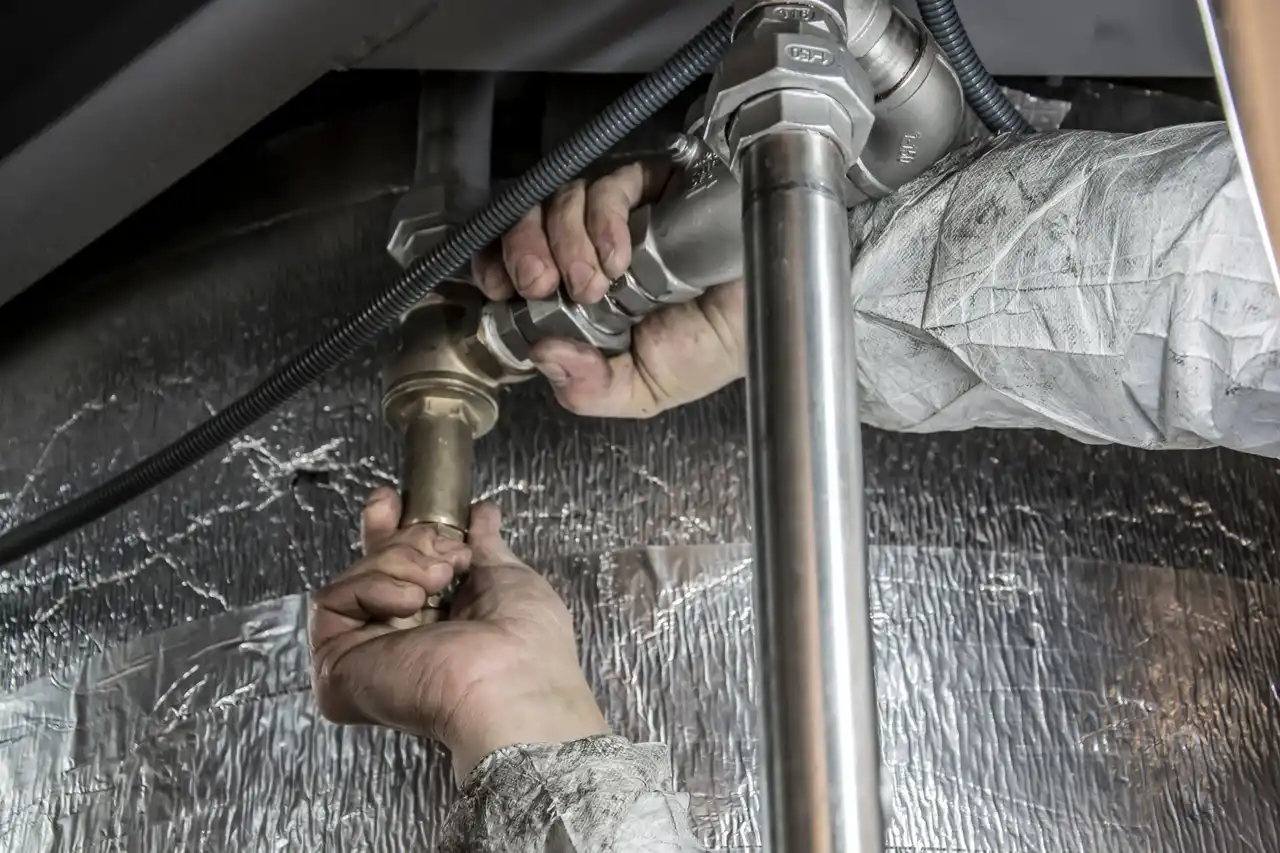
A tankless swap often uncovers slow drains behind the old heater closet. We clear the line with a drain snake or hydro jetter so the new unit's condensate and relief lines drain clean.
View service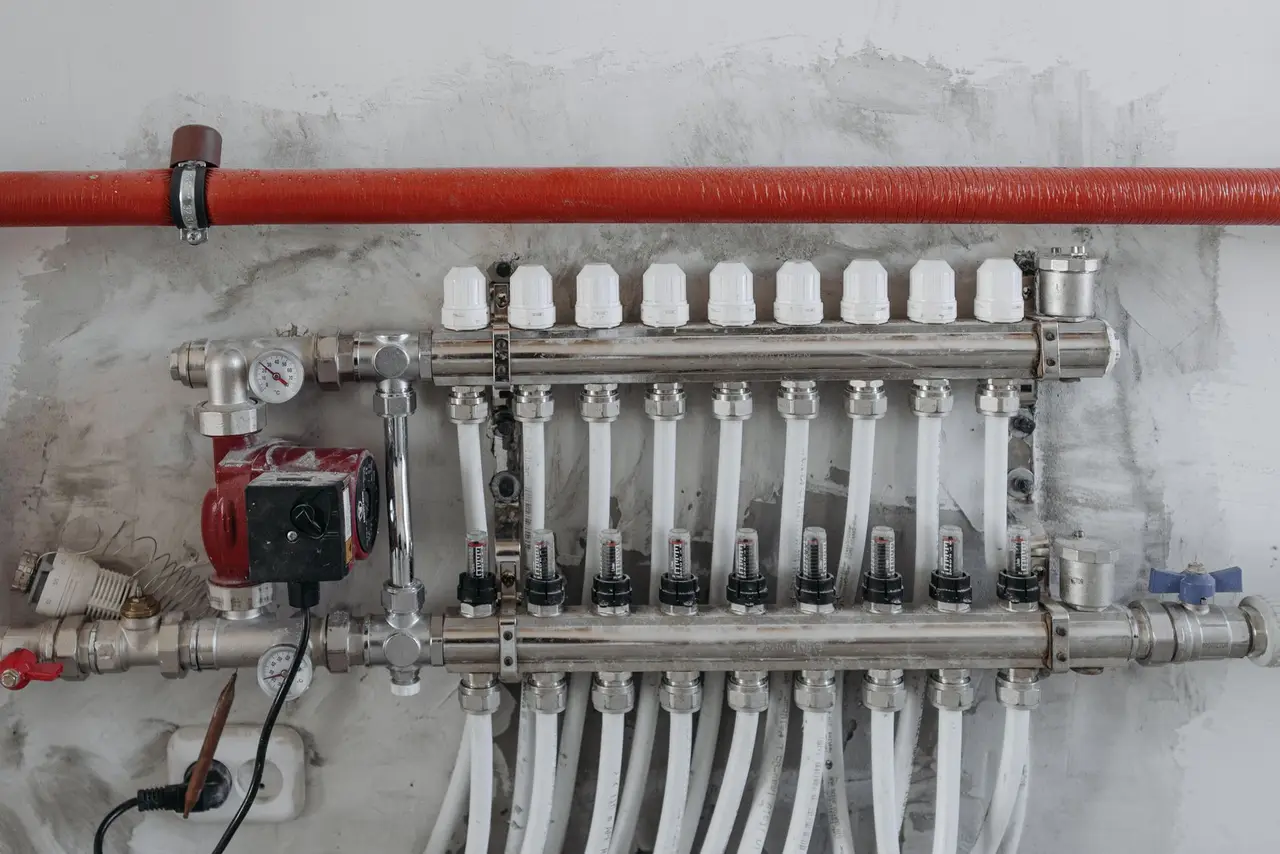
A dripping faucet wastes hot water a tankless unit has to heat. We fix the cartridge or valve seat so your new system isn't firing for a leak you didn't know you had.
View service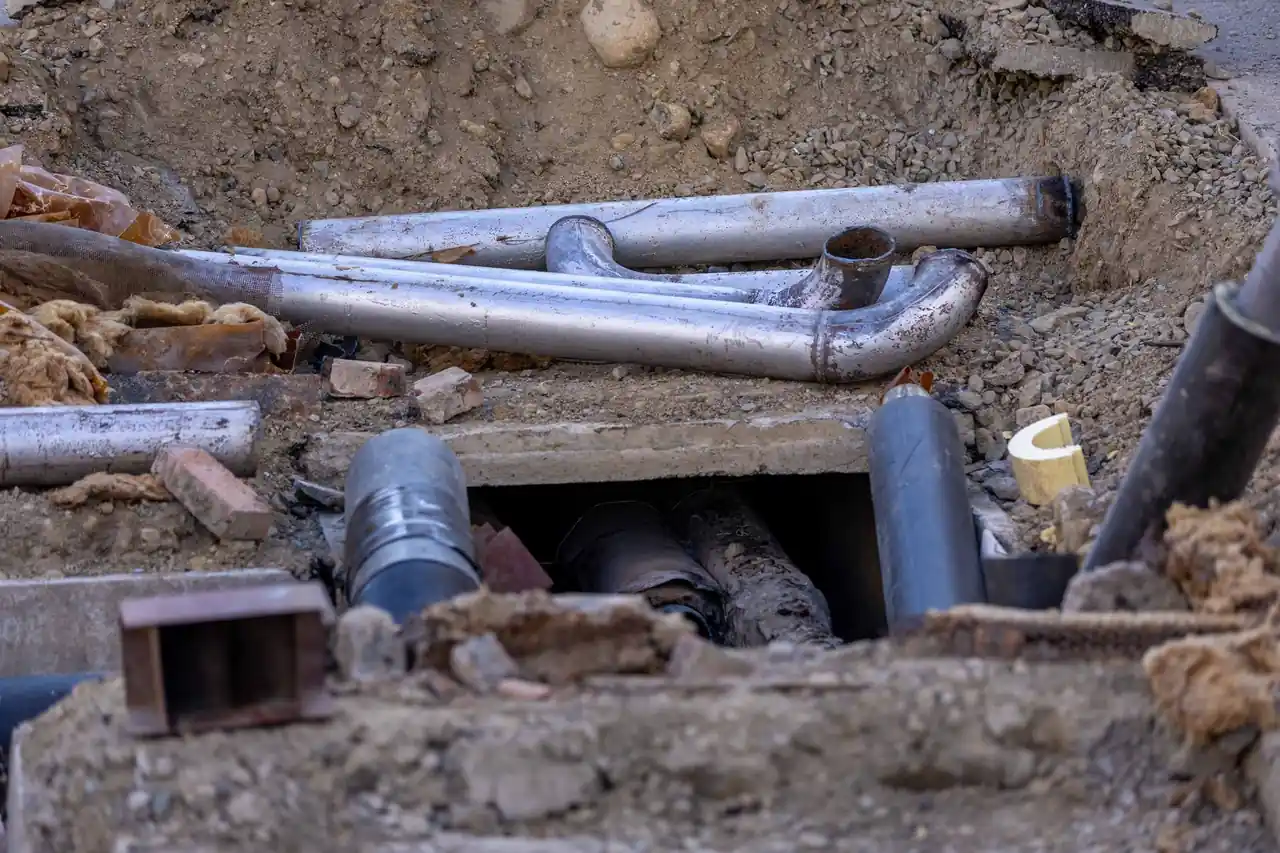
New fixtures change your flow rate, which matters when sizing a tankless unit. We install Moen, Delta, and Kohler faucets and confirm the GPM before we finalize the heater spec.
View service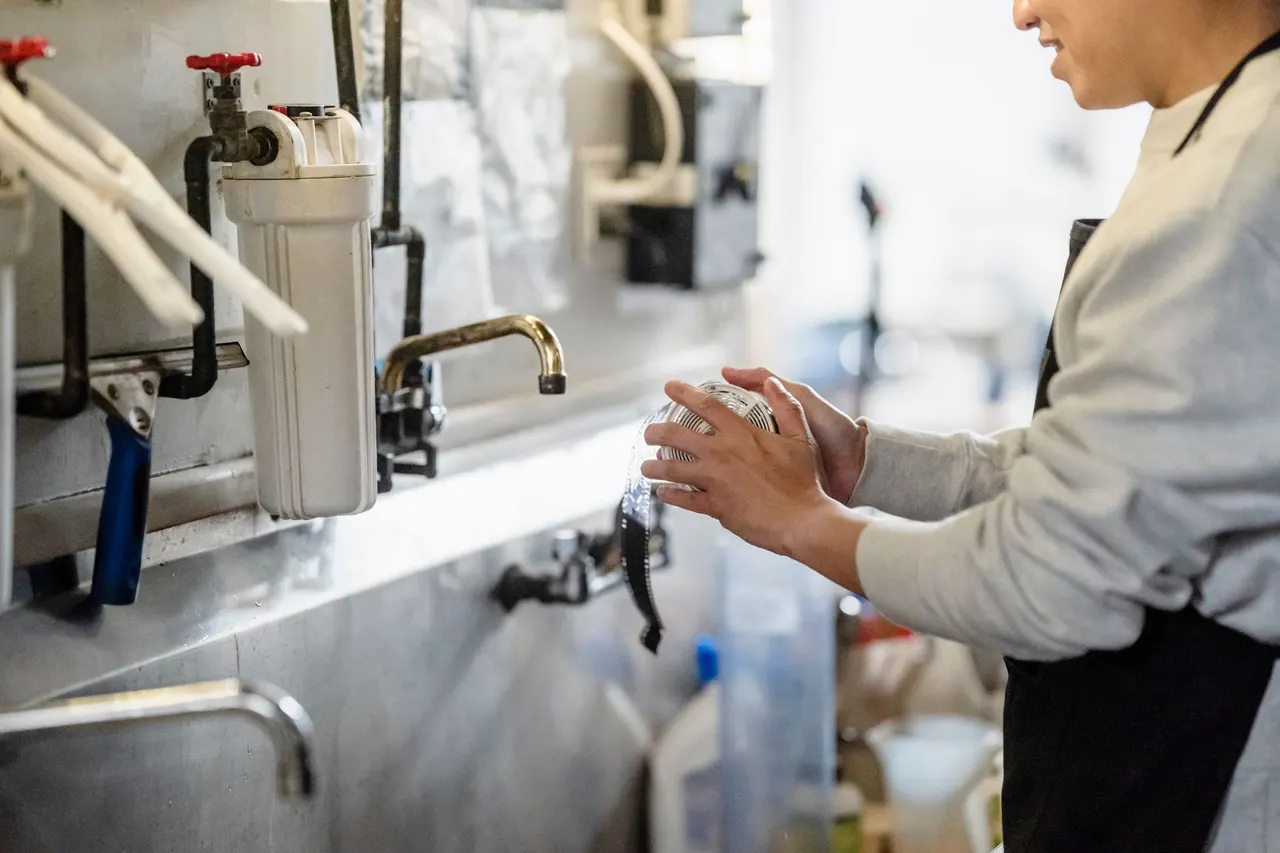
Before we hang a tankless unit, we check for hidden leaks with leak detection equipment. A slab leak or weeping fitting will only get worse under a new heater, so we find it first.
View service
Call us at (205) 708-6253 or send an email to [email protected]. We answer the phone during business hours and return messages after hours for emergencies. If you've got a leak, a clog or no hot water, don't wait. Reach out and we'll get you on the schedule.